





























Myrcene
Myrcene is the most common terpene in cannabis: earthy and musky, also found in hops and mango. Animal studies suggest sedative effects; human data are scarce.
What people report
- Sedative-like and sleep-promoting effects in animal studies
- Anti-inflammatory and pain-reducing activity in preclinical research
- Anxiety-reducing effects in rodents; human studies are lacking (Surendran et al., 2021)
Reported associations, not proven effects. Most research on myrcene comes from lab and animal studies, and the amounts in cannabis are small. How a strain feels depends on its whole profile, the dose and the person.
About myrcene
Myrcene (β-myrcene) is the terpene Leafly describes as the most common in cannabis, and its lab data bears that out for this guide: it leads the profile of Northern Lights, Blue Dream, Granddaddy Purple, Maui Wowie, Strawberry Cough and many others. Its scent is earthy and musky rather than bright, and myrcene-led strains in Leafly's data are often described as fruity or earthy. Outside cannabis, a 2021 review in Frontiers in Nutrition lists hops as its richest known source, along with lemongrass, verbena, bay and citrus, and Wikipedia adds mango, wild thyme and cardamom.
Myrcene is often credited with the "couch-lock" associated with indica-type strains. The same review repeats the claim that cultivars with more than 0.5% myrcene tend to be sedating, but it also stresses that the evidence comes from animal studies — sedative, anxiety-reducing, anti-inflammatory and analgesic effects in rodents — and that human studies are lacking. A 2024 mouse study identified it as a sleep-promoting component of lavender oil. Leafly's user data complicates the story: myrcene also leads energetic strains such as Maui Wowie and Green Crack, so it does not predict effects on its own.
One regulatory footnote: according to the review, the US FDA in 2018 stopped permitting synthetic myrcene as a food additive under the Delaney Clause after rodent cancer findings. PubChem lists its boiling point at about 166–167 °C, one of the lowest among cannabis terpenes.
Strains where myrcene leads · 21
Dominant terpene, most popular first
 indica
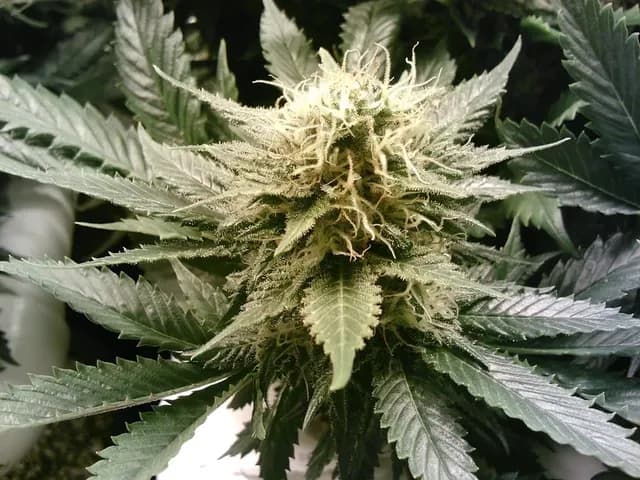
Northern Lights
Afghani × Thai (reported; the original cross is undocumented)
THC16–21%Myrcene · Beta-Caryophyllene · Limonene
- Sleepy
- Relaxed
- Hungry
 hybrid
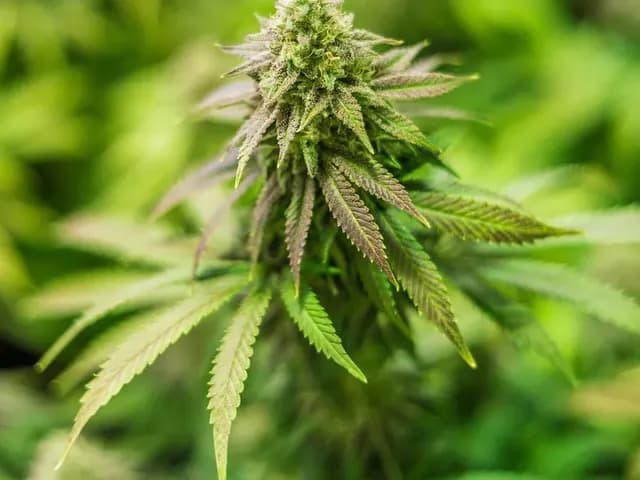
White Widow
Brazilian sativa landrace × South Indian indica (per Green House Seeds)
THC15–25%Myrcene · Beta-Caryophyllene · Alpha-Pinene
- Euphoric
- Uplifted
- Talkative
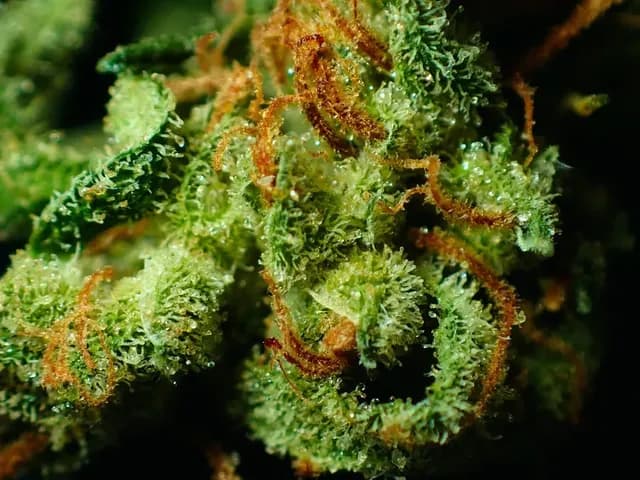 hybrid
OG Kush
Unconfirmed; usually given as Chemdawg × Hindu Kush, with some accounts adding Lemon Thai
THC18–25%Myrcene · Limonene · Beta-Caryophyllene
- Hungry
- Relaxed
- Sleepy
- hybrid
Blue Dream
Blueberry × Haze; the Santa Cruz clone is usually described as DJ Short Blueberry × a Santa Cruz Haze, and some seed versions use Super Silver Haze
THC17–24%Myrcene · Alpha-Pinene · Beta-Caryophyllene
- Creative
- Euphoric
- Happy
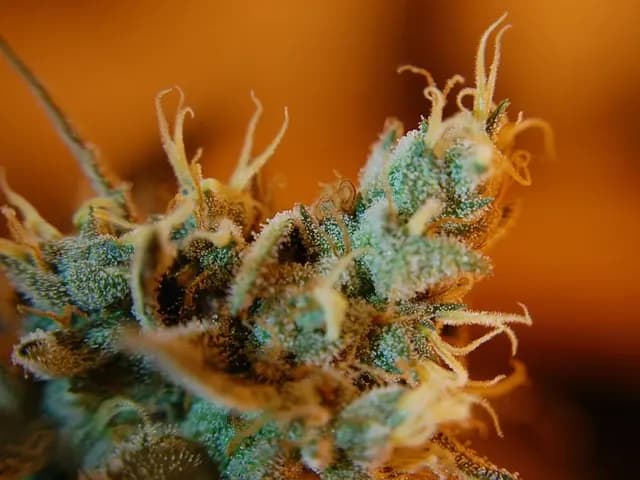 hybrid
Granddaddy Purple
Disputed: most often listed as Purple Urkle × Big Bud; Ken Estes has described it as Mendo Purps × Skunk × Afghani
THC17–23%Myrcene · Alpha-Pinene · Beta-Caryophyllene
- Sleepy
- Relaxed
- Hungry
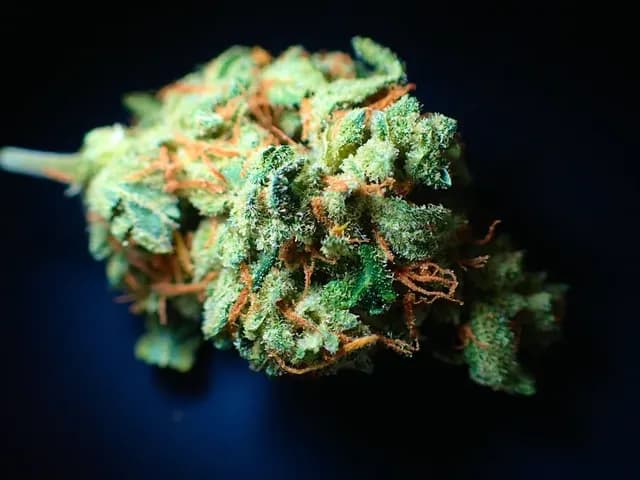 sativa
Purple Haze
Purple Thai × Haze (the most widely circulated version; several genetically different seed lines use the name)
THC16–20%Myrcene · Beta-Caryophyllene · Limonene
- Creative
- Euphoric
- Talkative
- hybrid
Amnesia Haze
Southeast Asian and Jamaican sativa landraces × Afghani-Hawaiian, as described for Soma's line; Leafly lists Haze × Afghani — the exact pedigree is unpublished
THC19–24%Myrcene · Beta-Caryophyllene · Limonene
- Euphoric
- Talkative
- Happy
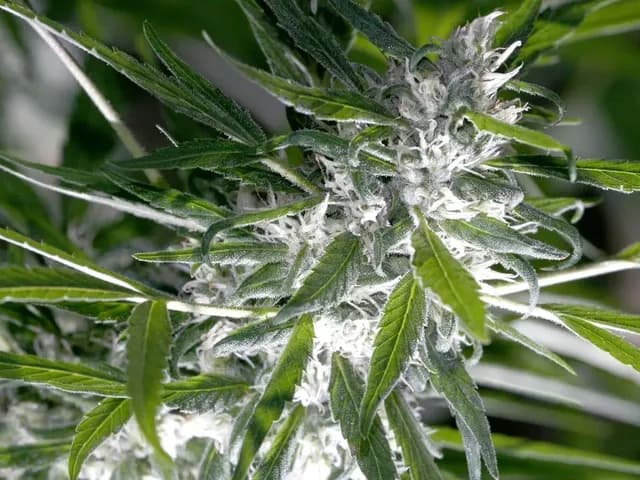 hybrid
AK-47
Colombian × Mexican × Thai × Afghani seed stock; Serious Seeds keeps the exact pedigree secret
THC13–21.5%Myrcene · Alpha-Pinene · Beta-Caryophyllene
- Hungry
- Happy
- Talkative
- hybrid
Skunk #1
(Afghani × Colombian Gold) × Acapulco Gold, per the usual account of Sacred Seeds' work
THC15–20%Myrcene · Limonene · Alpha-Pinene
- Hungry
- Happy
- Euphoric
- sativa
Haze
Blend of Colombian, Mexican, Thai and South Indian sativa landraces (per Leafly; the exact recipe is undocumented)
THC14–23%Myrcene · Alpha-Pinene · Beta-Caryophyllene
- Energetic
- Creative
- Uplifted
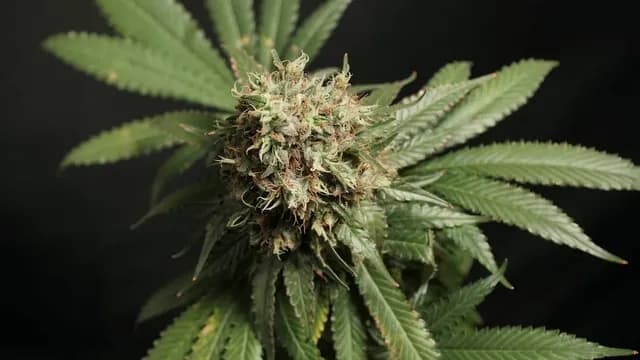 indica
Afghan Kush
Afghan landrace indica from the Hindu Kush range (selected seed lines rather than a single cross)
THC15–21%Myrcene · Beta-Caryophyllene · Alpha-Pinene
- Sleepy
- Hungry
- Relaxed
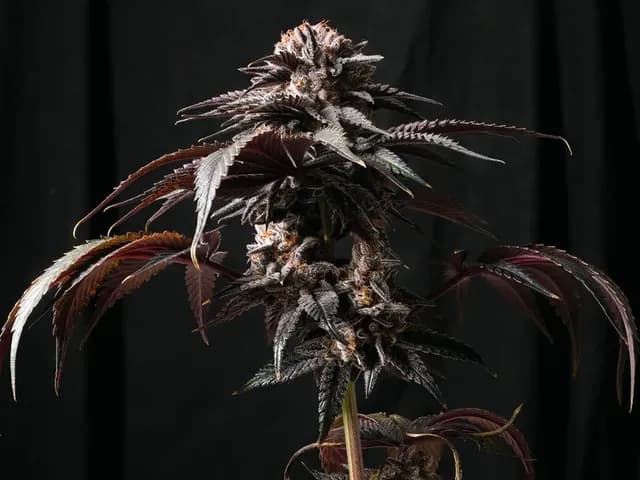 hybrid
Blueberry
(Purple Thai / Highland Thai) × Afghani, per DJ Short's account; Dutch Passion describes Afghani indica with Thai and a small share of Oaxacan sativa
THC16–24%Myrcene · Beta-Caryophyllene · Alpha-Pinene
- Sleepy
- Relaxed
- Happy
Also present in · 10
As a secondary or minor terpene
Sources
- Surendran S et al. (2021), Myrcene — what are the potential health benefits of this flavouring and aroma agent?, Frontiers in Nutrition · checked Sep 2026
- Beta-myrcene as a sedative-hypnotic component from lavender essential oil in insomnia mice (2024), Pharmaceuticals · checked Sep 2026
- PubChem — Myrcene (CID 31253) · checked Sep 2026
- Wikipedia — Myrcene · checked Sep 2026
- Leafly — strain pages, terpene descriptors (e.g. Jack Herer) · checked Sep 2026