











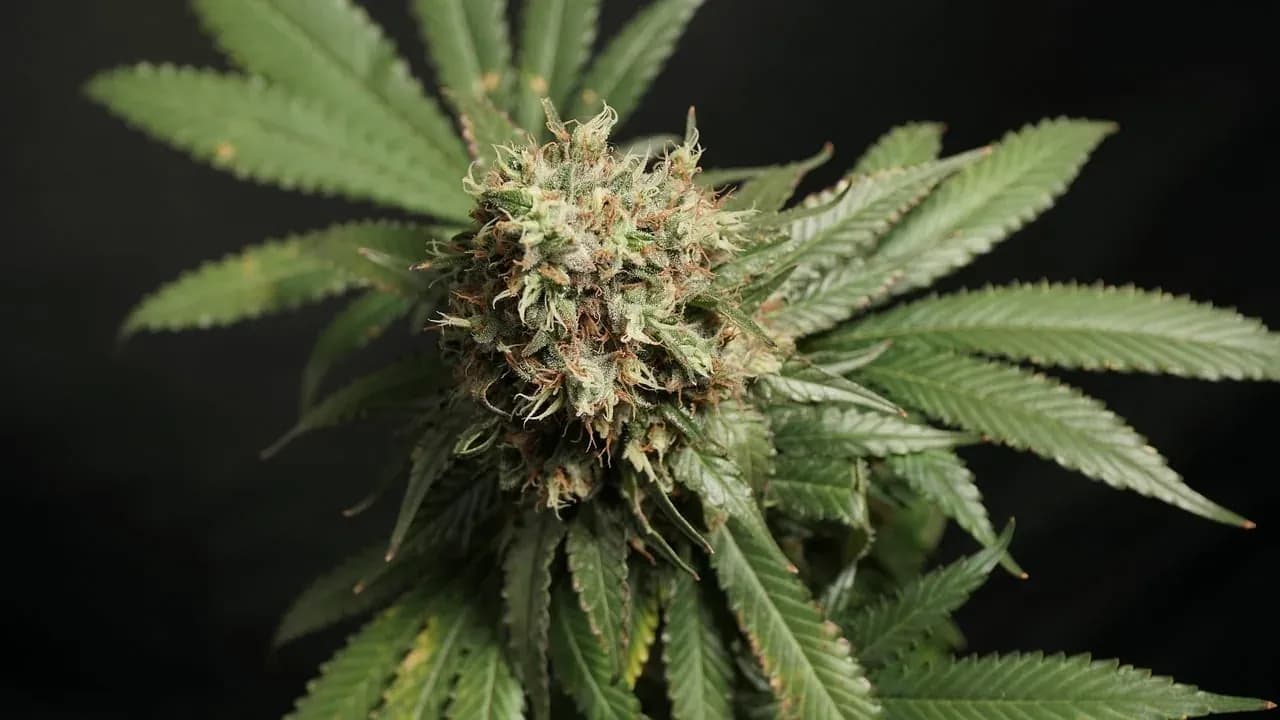
- THC
- 15–21%
Afghan Kush strain
Also known as Afghani Kush
Afghan Kush is a landrace indica from the Hindu Kush mountains, prized for resin, woody-hash aroma and a heavy, sleepy, appetite-boosting effect.
- Lineage
- Afghan landrace indica from the Hindu Kush range (selected seed lines rather than a single cross)
- Breeder
- Landrace; seed lines are offered by several companies, including White Label (a Sensi Seeds partner) and World of Seeds
- Origin
- Afghanistan (Hindu Kush region)
Terpene profile
- Myrcenedominant
- Beta-Caryophyllenesecondary
- Alpha-Pinenesecondary
- Linaloolminor
- Humuleneminor
Segments show how prominent each terpene is reported to be — not measured percentages.
Reported effects
May cause
What consumers commonly report. Effects vary with dose, tolerance and batch.
- Woody
- Earthy
- Hashy
- Pungent
- Spicy
- Sweet
About Afghan Kush
The Afghan Kush strain comes from the same mountains that gave the whole Kush family its name. Leafly traces its roots to the Hindu Kush range near the Afghanistan–Pakistan border, where plants like it were grown for generations to make charas and black Afghani hash. Is Afghan Kush indica or sativa? Indica — a landrace indica, listed by CannaConnection as 100% indica.
The smell is dense and old-fashioned. Leafly reviewers describe it as woody, tar-like and earthy, with pungent and floral notes, and AllBud adds pine, spice and a sweet, kushy aroma. Leafly's lab data shows myrcene first, followed by beta-caryophyllene and pinene, with linalool and humulene present at low levels. The result is earthy and peppery with a resinous edge rather than fruity.
Afghan Kush effects are about as heavy as cannabis gets. In Leafly's user data sleepy scores highest, followed closely by hungry, then relaxed and tingly. Consumers most often report using it for winding down before sleep, everyday aches, stress and low appetite. The trade-offs are also physical: dry eyes, dry mouth and dizziness all score high in Leafly's side-effect data. It is best treated as a late-evening strain, and first-timers usually find a small amount goes a long way. THC is typically 15–21%, from Leafly's lab median of 15% to 20–21% in CannaConnection and AllBud.
Afghan Kush and Hindu Kush are close relatives but not identical in the data: Hindu Kush is led by limonene in Leafly's lab figures and draws fewer dizziness reports, while Afghan Kush is sleepier and hungrier. Compared with Northern Lights, it draws noticeably more reports of hunger and dizziness in Leafly's data. Growers praise it for thick, blunt-topped colas, high yields and a flowering time of about 8–9 weeks, and hash makers value the resin above all.
Origin & history
Afghan Kush is a landrace rather than a bred hybrid. Leafly traces it to the Hindu Kush range along the Afghanistan–Pakistan frontier, where local farmers refined it over generations as a source of charas and black Afghani hash. According to Wikipedia's Kush article, Afghan cannabis genetics reached California in the early 1970s. White Label, a Dutch partner of Sensi Seeds, was among the seed companies that made Afghan Kush available to home growers, and several others now sell their own selections.
What people use it for
- Sleep
- Aches and pains
- Stress
- Low appetite
- Nausea
These are reasons consumers give for choosing Afghan Kush, gathered from public strain reports. They are not medical claims or advice, and they haven’t been tested in clinical trials. If you’re managing a health condition, talk to a clinician.
Afghan Kush: frequently asked questions
Is Afghan Kush indica or sativa?
Indica. It is a landrace indica from the Hindu Kush mountains, listed by CannaConnection as 100% indica.
What is the difference between Afghan Kush and Hindu Kush?
Both are landrace indicas from the same mountain range. In Leafly's data Afghan Kush is sleepier and hungrier and led by myrcene, while Hindu Kush is led by limonene and has a sandalwood-like aroma.
Is Afghan Kush good for making hash?
It has a long history as a hash plant: Leafly describes it as a traditional source of charas and black Afghani hash because of its heavy resin production.
Sources
- Leafly — Afghan Kush strain page (lab-data medians, user-reported effects) · checked Sep 2026
- AllBud — Afghan Kush · checked Sep 2026
- CannaConnection — Afghan Kush strain information · checked Sep 2026
- Wikipedia — Kush (cannabis) · checked Sep 2026
If you like Afghan Kush
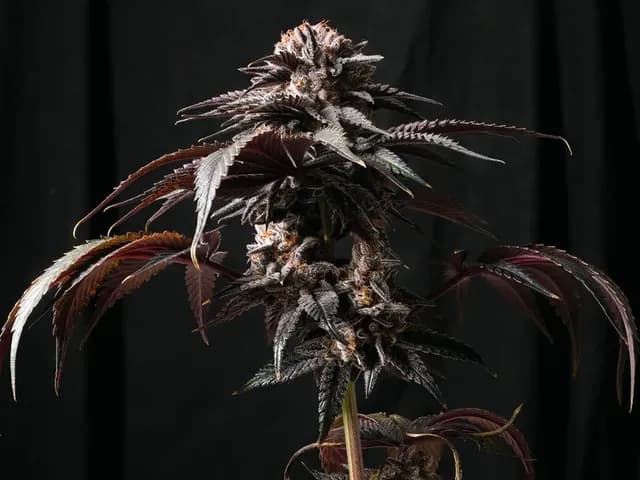 indica
Hindu Kush
Pure indica landrace from the Hindu Kush mountains, maintained as an inbred seed line
THC18–20%Limonene · Beta-Caryophyllene · Alpha-Pinene
- Sleepy
- Relaxed
- Hungry
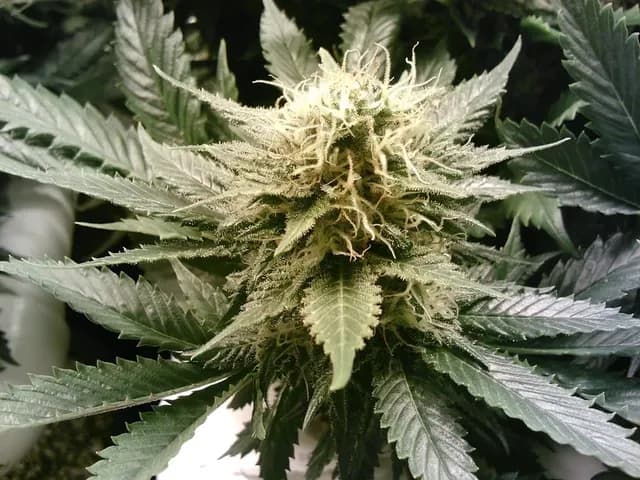 indica
Northern Lights
Afghani × Thai (reported; the original cross is undocumented)
THC16–21%Myrcene · Beta-Caryophyllene · Limonene
- Sleepy
- Relaxed
- Hungry
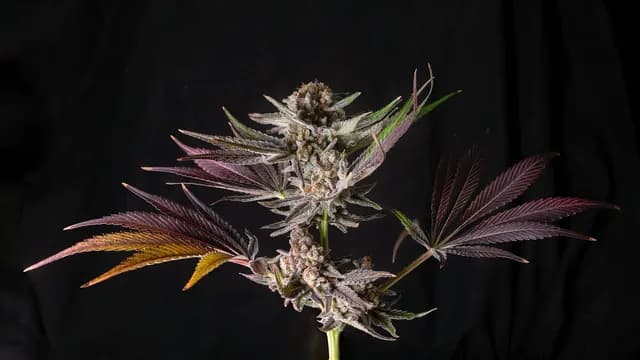 hybrid
Bubba Kush
OG Kush × an unknown indica known as "Bubba" (reportedly a Northern Lights–type plant), per the account attributed to Matt "Bubba" Berger
THC15–22%Beta-Caryophyllene · Limonene · Myrcene
- Sleepy
- Relaxed
- Hungry