

























- THC
- 15–20%
- CBD
- 0–1%
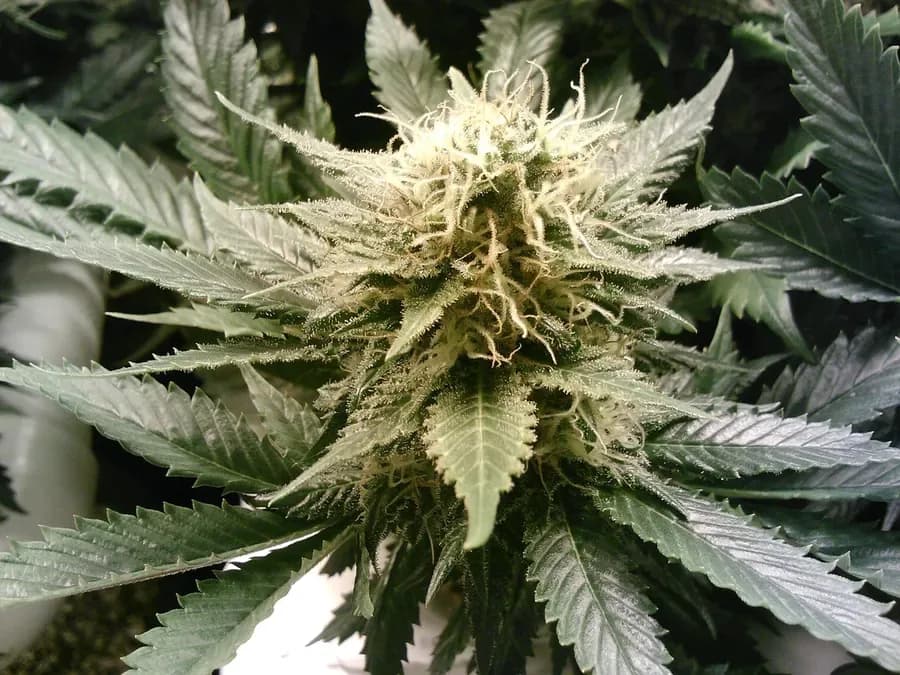
Skunk #1 strain
Also known as Skunk, Skunk No. 1, Skunk 1
Skunk #1 is the landmark 1970s hybrid of Afghani, Colombian Gold and Acapulco Gold: pungent, fast-flowering and the root of countless modern strains.
- Lineage
- (Afghani × Colombian Gold) × Acapulco Gold, per the usual account of Sacred Seeds' work
- Breeder
- Sam the Skunkman (David Watson) and the Sacred Seeds collective, Santa Cruz, California, late 1970s; later maintained in the Netherlands, including by Sensi Seeds
- Origin
- United States (Santa Cruz, California)
Terpene profile
- Myrcenedominant
- Limonenesecondary
- Alpha-Pinenesecondary
- Beta-Caryophylleneminor
- Terpinoleneminor
Segments show how prominent each terpene is reported to be — not measured percentages.
Reported effects
May cause
What consumers commonly report. Effects vary with dose, tolerance and batch.
- Skunky
- Pungent
- Earthy
- Sour
- Sweet
- Tobacco
About Skunk #1
The Skunk #1 strain is less a single flavor than a turning point. Sensi Seeds presents it as the first stable indica-sativa hybrid ever released, and Leafly credits it with fathering a vast family of Skunk crosses over the decades since its late-1970s debut. Is Skunk #1 indica or sativa? It is an indica-leaning hybrid; Sensi and AllBud both describe a 65% indica, 35% sativa balance, combining Afghani structure with the lift of two Latin American sativas.
The name is literal. Leafly reviewers rate "skunk" far above every other descriptor, followed by pungent and earthy notes and a hint of tobacco, and AllBud's tasters add a sour, sweet side. Leafly's lab data shows a fairly even terpene spread led by myrcene, with limonene, pinene, caryophyllene and some terpinolene behind. The mix explains why the aroma is sharp and sour rather than fruity, and why it travels: Sensi warns that the smell builds steadily through flowering.
Skunk #1 effects are balanced and moderate. Leafly's user data shows hunger as the strongest report, followed by happy, euphoric and creative, with focused and relaxed close behind; none dominates the way sleepiness does for Northern Lights. Sensi describes a creative, long-lasting high paired with a relaxed body stone. Paranoia is reported more than you might expect from an indica-leaning plant, so it still pays to go slowly. At roughly 15–20% THC, it is milder than many modern hybrids, which some consumers see as an advantage.
Skunk #1's descendants are everywhere. Leafly lists Granddaddy Purple and Green Crack among its offspring, the UK's Cheese began as a Skunk #1 phenotype, and Big Bud and Critical Mass both combine it with heavy Afghani lines. For growers, it remains one of the most reliable plants available: uniform, quick to flower at around 45–50 days according to Sensi, easy to clone and productive indoors or out. Odor control is the main practical issue.
Origin & history
Skunk #1 was created in Santa Cruz, California, toward the end of the 1970s by David Watson, known as Sam the Skunkman, working with the Sacred Seeds collective. CannaConnection's history describes a cross of an Afghan indica with Colombian Gold, later combined with Acapulco Gold, and says it was one of about 30 hybrids the group produced. After police raided Sacred Seeds in 1982, Watson moved to the Netherlands, where Skunk #1 was widely bred and sold, including by Sensi Seeds. A Skunk #1 entry from Cultivator's Choice won the first High Times Cannabis Cup in 1988.
What people use it for
- Stress
- Low mood
- Aches and pains
- Low appetite
These are reasons consumers give for choosing Skunk #1, gathered from public strain reports. They are not medical claims or advice, and they haven’t been tested in clinical trials. If you’re managing a health condition, talk to a clinician.
Skunk #1: frequently asked questions
Is Skunk #1 indica or sativa?
It is an indica-leaning hybrid. Sensi Seeds and AllBud describe it as about 65% indica and 35% sativa, combining Afghani, Colombian Gold and Acapulco Gold genetics.
Why is Skunk #1 so important?
Sensi Seeds calls it the first stable indica-sativa hybrid, and it won the first High Times Cannabis Cup in 1988. Leafly lists many descendants, including Granddaddy Purple and Green Crack.
Who created Skunk #1?
David Watson (Sam the Skunkman) and the Sacred Seeds collective in Santa Cruz, California, in the late 1970s. Watson moved the genetics to the Netherlands after a 1982 raid.
Sources
- Leafly — Skunk #1 strain page (lab-data medians, user-reported effects) · checked Sep 2026
- Sensi Seeds — Skunk #1 Regular · checked Sep 2026
- CannaConnection — Cannabis legends: the origins of Skunk · checked Sep 2026
- AllBud — Skunk #1 · checked Sep 2026
- CannaConnection — Skunk 1 strain information · checked Sep 2026
- Wikipedia — Cannabis Cup (list of past High Times Cannabis Cup winners) · checked Sep 2026
If you like Skunk #1
 indica
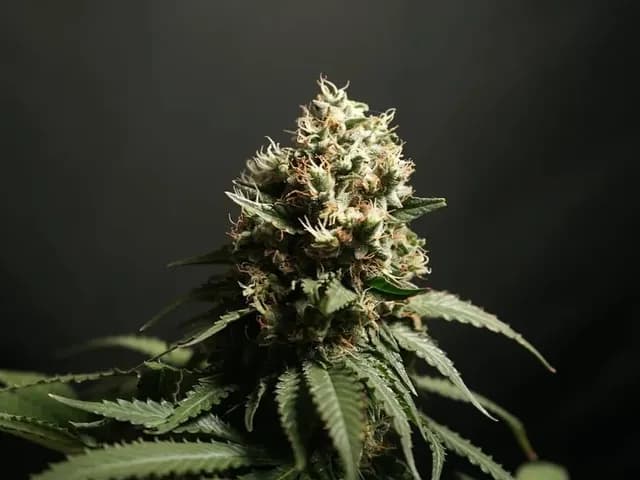
Northern Lights
Afghani × Thai (reported; the original cross is undocumented)
THC16–21%Myrcene · Beta-Caryophyllene · Limonene
- Sleepy
- Relaxed
- Hungry
 hybrid
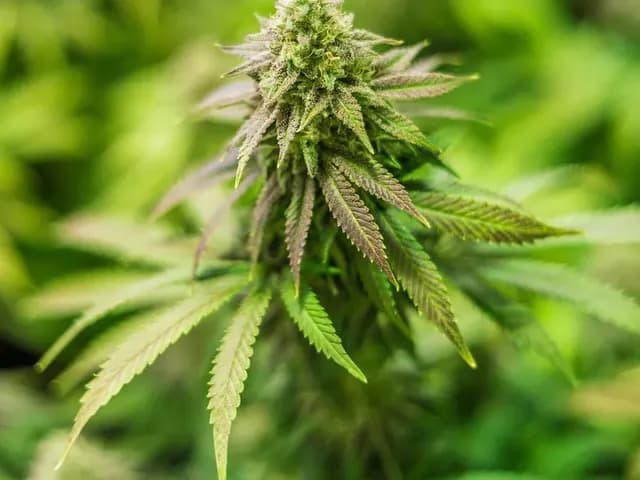
Green Crack
Usually given as Skunk #1 × an Afghani landrace (Leafly lists Skunk #1 × an unknown indica)
THC15–25%Myrcene · Beta-Caryophyllene · Alpha-Pinene
- Energetic
- Focused
- Talkative
 hybrid
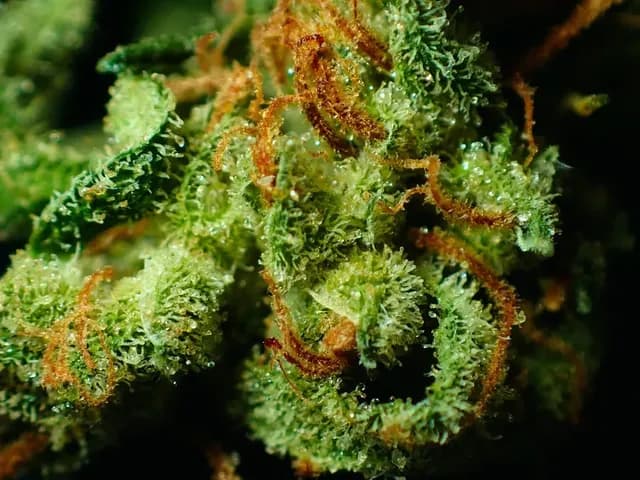
White Widow
Brazilian sativa landrace × South Indian indica (per Green House Seeds)
THC15–25%Myrcene · Beta-Caryophyllene · Alpha-Pinene
- Euphoric
- Uplifted
- Talkative
 hybrid
OG Kush
Unconfirmed; usually given as Chemdawg × Hindu Kush, with some accounts adding Lemon Thai
THC18–25%Myrcene · Limonene · Beta-Caryophyllene
- Hungry
- Relaxed
- Sleepy