





























Terpinolene
Terpinolene is the fresh, herbal-piney terpene that dominates Jack Herer and Durban Poison; the main effect research is a mouse study on sedation.
What people report
- Inhaled terpinolene had a sedative effect in mice (Ito & Ito, 2013)
- Antifungal activity reported in laboratory research (PubChem)
Reported associations, not proven effects. Most research on terpinolene comes from lab and animal studies, and the amounts in cannabis are small. How a strain feels depends on its whole profile, the dose and the person.
About terpinolene
Terpinolene is less common in cannabis than myrcene or caryophyllene, but where it dominates it defines a whole style of aroma: fresh, herbal and piney with a sweet, citrusy lift. Leafly describes it as herbal and floral and notes that it also occurs in apples, lilacs and nutmeg; PubChem lists allspice, citrus, mint, juniper and nutmeg species among its sources and says parsnip oil can be 40–70% terpinolene. PubChem describes its odor as sweet and piney and its flavor as somewhat sweet and citrusy.
In Leafly's lab data terpinolene leads Durban Poison, Jack Herer, Trainwreck and Super Lemon Haze, and it is also the top terpene in Leafly's UK Cheese listing; High Times likewise names it first for Durban Poison and Super Lemon Haze. Those strains are overwhelmingly described as energetic and focused in Leafly's user data. The main effect study points the other way: a 2013 study in the Journal of Natural Medicines found that inhaled terpinolene had a sedative effect in mice and that the effect depended on absorption through the nose. The mismatch is a useful reminder that a single terpene does not reliably predict how a strain feels.
PubChem lists terpinolene's boiling point at about 183–187 °C.
Strains where terpinolene leads · 4
Dominant terpene, most popular first
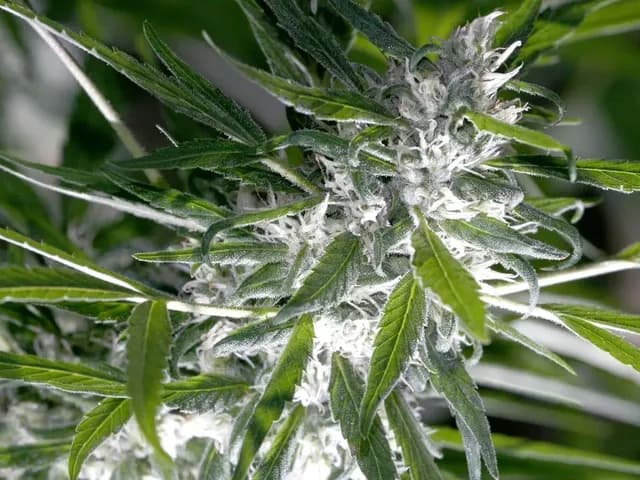 hybrid
Jack Herer
Haze hybrid × (Northern Lights #5 × Shiva Skunk), per Sensi Seeds and Leafly
THC15–24%Terpinolene · Beta-Caryophyllene · Alpha-Pinene
- Focused
- Energetic
- Creative
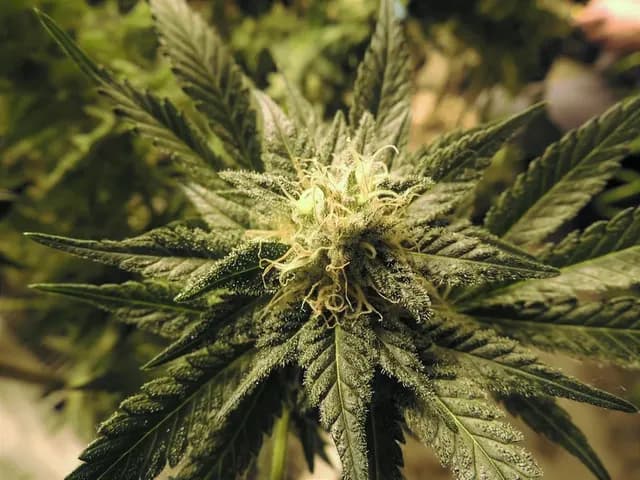 sativa
Durban Poison
Pure South African sativa landrace (Dutch Passion's seed version is listed as Durban × unknown indica)
THC15–25%Terpinolene · Myrcene · Ocimene
- Focused
- Energetic
- Uplifted
 hybrid
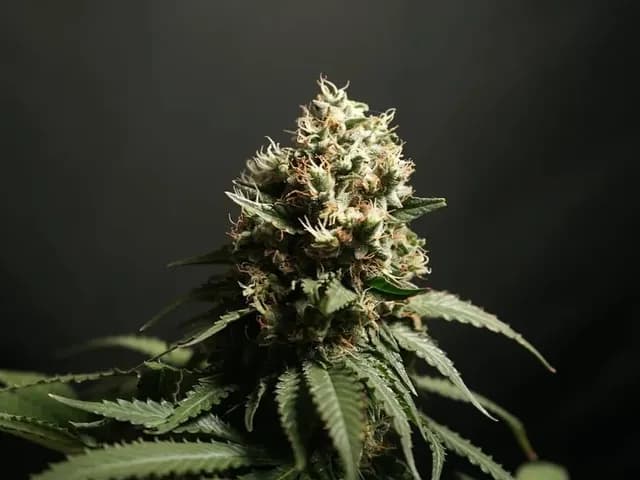
Super Lemon Haze
Lemon Skunk × Super Silver Haze (Green House Seeds)
THC19–26%Terpinolene · Beta-Caryophyllene · Limonene
- Energetic
- Focused
- Uplifted
 hybrid
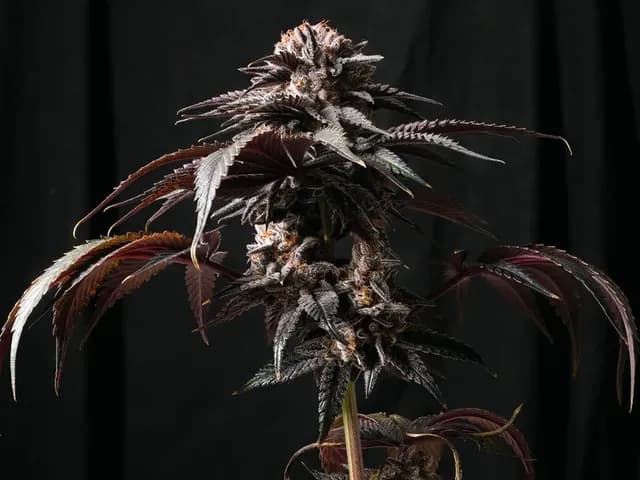
Trainwreck
Mexican and Thai sativas × Afghani indica (per Leafly and CannaConnection)
THC17–25%Terpinolene · Myrcene · Alpha-Pinene
- Euphoric
- Uplifted
- Creative
Also present in · 1
As a secondary or minor terpene
Sources
- Ito K, Ito M (2013), The sedative effect of inhaled terpinolene in mice and its structure-activity relationships, Journal of Natural Medicines · checked Sep 2026
- PubChem — Terpinolene (CID 11463) · checked Sep 2026
- High Times — Durban Poison strain profile · checked Sep 2026
- Leafly — strain pages, terpene descriptors (e.g. Jack Herer) · checked Sep 2026