





- THC
- 17–23%
- CBD
- 0–1%
Granddaddy Purple strain
Also known as GDP, Grand Daddy Purp, Granddaddy Purps, Granddaddy Purple Kush
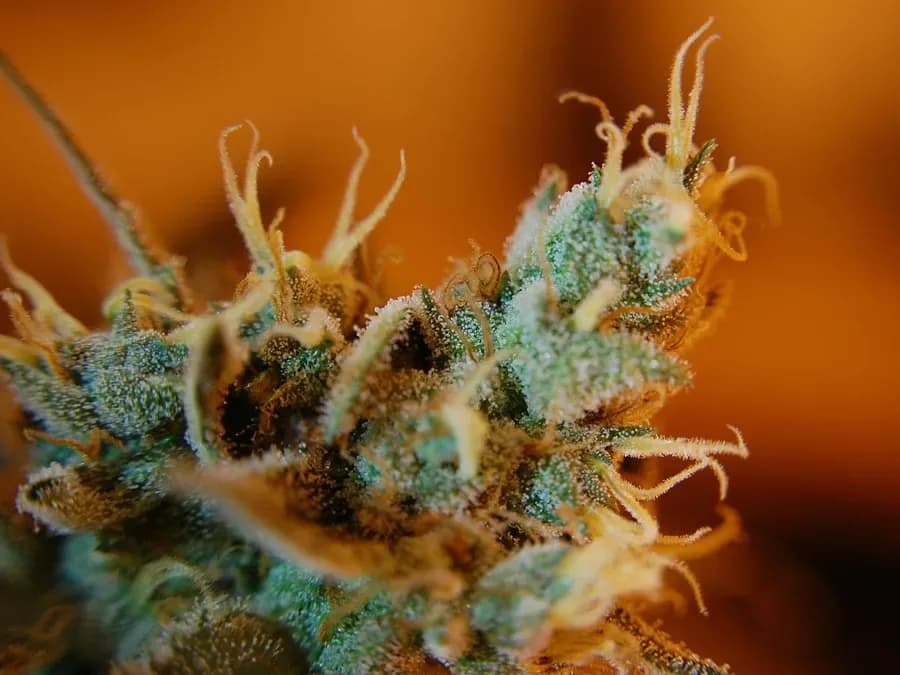
Granddaddy Purple (GDP) is an indica-leaning California hybrid with grape-berry aroma, deep purple buds and a heavy, sleepy body effect.
- Lineage
- Disputed: most often listed as Purple Urkle × Big Bud; Ken Estes has described it as Mendo Purps × Skunk × Afghani
- Breeder
- Popularized by Ken Estes in the San Francisco Bay Area in 2003; whether Estes bred it or commercialized an existing cultivar is disputed
- Origin
- United States (California)
Terpene profile
- Myrcenedominant
- Alpha-Pinenesecondary
- Beta-Caryophyllenesecondary
- Linaloolminor
- Limoneneminor
Segments show how prominent each terpene is reported to be — not measured percentages.
Reported effects
May cause
What consumers commonly report. Effects vary with dose, tolerance and batch.
- Grape
- Berry
- Violet
- Sweet
- Plum
- Earthy
About Granddaddy Purple
The Granddaddy Purple strain, better known as GDP, is the purple strain that made purple weed fashionable in California in the 2000s. Is Granddaddy Purple indica or sativa? It is an indica-leaning hybrid — AllBud lists it as 70% indica and Royal Queen Seeds' version as 75% — and Leafly files it simply as an indica, which matches how most people experience it.
The aroma is where it earns its fans. Leafly reviewers rank grape highest, followed by berry, violet and plum, and Royal Queen Seeds mentions jasmine-like floral notes when it is smoked. Leafly's lab data puts myrcene well in front, with pinene and beta-caryophyllene behind and a little linalool. Myrcene gives the ripe, musky base, while pinene freshens it. Royal Queen Seeds attributes the deep purple color to high levels of anthocyanin pigments.
Granddaddy Purple effects are among the sleepiest in this guide. In Leafly's user data "sleepy" is the dominant report by a wide margin, followed by relaxed and hungry, and the uses consumers mention most are winding down for sleep, everyday aches, low appetite and muscle tension. Royal Queen Seeds calls it a creeper whose effects take time to arrive, so the usual advice is to wait before taking more. Reported downsides are mostly dry mouth and dry eyes; RQS also lists dizziness and couch-lock. Leafly's lab median is 17% THC and Royal Queen Seeds cites 17–23%; AllBud's quoted 20–27% is higher than most sources.
Compared with Bubba Kush, GDP trades coffee-and-hash notes for fruit, but lands in a similar evening slot. Compared with Northern Lights, it is sweeter and more colorful but no lighter. It is also a popular parent: Leafly lists Cherry Pie and Purple Punch among its offspring. For growers it is forgiving, short and productive, and Leafly recommends good airflow, clearing lower branches and keeping temperatures in the 21–27°C range.
Origin & history
Granddaddy Purple was popularized in 2003 by Ken Estes, a Bay Area medical cannabis advocate who told Leafly he first became involved with cannabis in 1976 and later focused his garden entirely on a purple cultivar he traced to Native American growers in Northern California. Estes launched GDP in Oakland. Its lineage is contested: Estes has described it as Mendo Purps, Skunk and Afghani genetics, while many seed companies and databases list Purple Urkle × Big Bud. Royal Queen Seeds notes it is widely believed that Estes commercialized rather than bred the strain.
What people use it for
- Sleep
- Aches and pains
- Low appetite
- Muscle tension
- Stress
These are reasons consumers give for choosing Granddaddy Purple, gathered from public strain reports. They are not medical claims or advice, and they haven’t been tested in clinical trials. If you’re managing a health condition, talk to a clinician.
Granddaddy Purple: frequently asked questions
Is Granddaddy Purple indica or sativa?
It is an indica-leaning hybrid, listed at around 70–75% indica by AllBud and Royal Queen Seeds, and Leafly classifies it as an indica.
Who created Granddaddy Purple?
Ken Estes popularized it in the Bay Area in 2003. Whether he bred it is disputed: he has described it as Mendo Purps × Skunk × Afghani, while many sources list Purple Urkle × Big Bud.
Why is Granddaddy Purple purple?
Royal Queen Seeds attributes the color to high levels of anthocyanins, the pigments behind purple hues in many plants. Buds and leaves can range from forest green to deep purple depending on the phenotype and growing conditions.
Sources
- Leafly — Granddaddy Purple strain page (lab-data medians, user-reported effects) · checked Sep 2026
- Leafly — Meet the daddy of Granddaddy Purple (Ken Estes interview) · checked Sep 2026
- Royal Queen Seeds — Granddaddy Purps strain article · checked Sep 2026
- AllBud — Granddaddy Purple · checked Sep 2026
If you like Granddaddy Purple
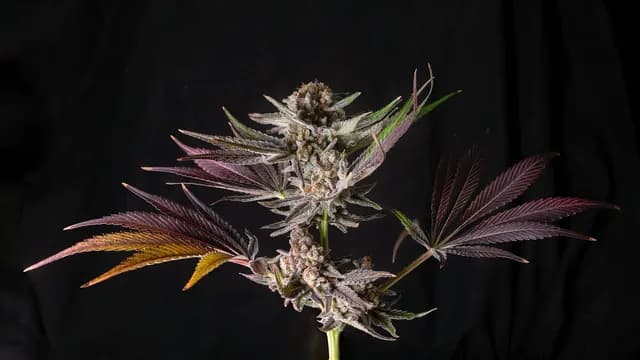 hybrid
Bubba Kush
OG Kush × an unknown indica known as "Bubba" (reportedly a Northern Lights–type plant), per the account attributed to Matt "Bubba" Berger
THC15–22%Beta-Caryophyllene · Limonene · Myrcene
- Sleepy
- Relaxed
- Hungry
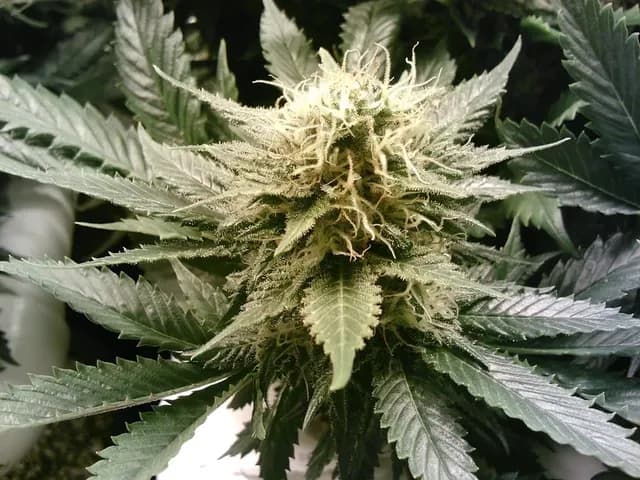 indica
Northern Lights
Afghani × Thai (reported; the original cross is undocumented)
THC16–21%Myrcene · Beta-Caryophyllene · Limonene
- Sleepy
- Relaxed
- Hungry
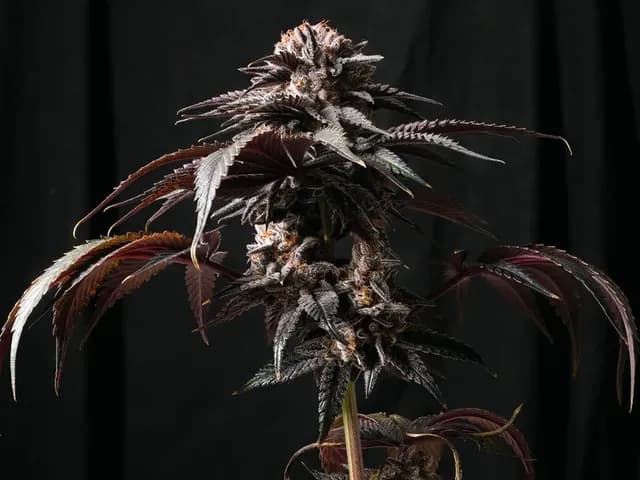 hybrid
Blueberry
(Purple Thai / Highland Thai) × Afghani, per DJ Short's account; Dutch Passion describes Afghani indica with Thai and a small share of Oaxacan sativa
THC16–24%Myrcene · Beta-Caryophyllene · Alpha-Pinene
- Sleepy
- Relaxed
- Happy
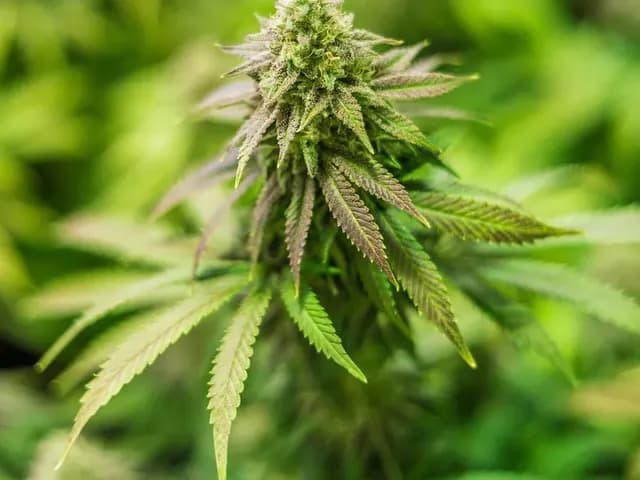 hybrid
White Widow
Brazilian sativa landrace × South Indian indica (per Green House Seeds)
THC15–25%Myrcene · Beta-Caryophyllene · Alpha-Pinene
- Euphoric
- Uplifted
- Talkative