






- THC
- 18–25%
OG Kush strain
Also known as Premium OG Kush, OGK
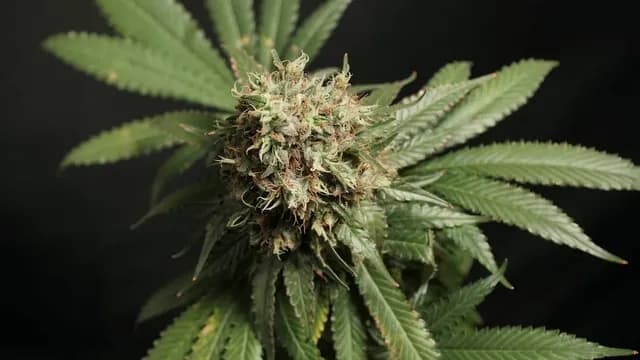
OG Kush is the lemon-pine-fuel hybrid behind much of West Coast cannabis, with high THC and a relaxed, hungry, euphoric effect profile.
- Lineage
- Unconfirmed; usually given as Chemdawg × Hindu Kush, with some accounts adding Lemon Thai
- Breeder
- Unknown; first grown in Florida in the early 1990s and brought to Los Angeles in 1996 by Matt "Bubba" Berger, where grower Josh D (Josh Del Rosso) preserved and popularized the cut
- Origin
- United States (Florida, then Los Angeles)
Terpene profile
- Myrcenedominant
- Limonenesecondary
- Beta-Caryophyllenesecondary
- Alpha-Pineneminor
- Linaloolminor
Segments show how prominent each terpene is reported to be — not measured percentages.
Reported effects
May cause
What consumers commonly report. Effects vary with dose, tolerance and batch.
- Pine
- Woody
- Earthy
- Lemon
- Fuel
- Skunky
About OG Kush
The OG Kush strain is the backbone of West Coast cannabis. Cuts and crosses of it sit behind a long list of later favorites, from Headband to GSC, and "OG" became shorthand for a whole style of smell and potency. Is OG Kush indica or sativa? Sources disagree: AllBud lists it as slightly sativa-dominant, CannaConnection as 75% indica, and Leafly as a hybrid. Leafly's user data, which leans toward hungry, relaxed and sleepy, supports treating it as an indica-leaning hybrid with a noticeable head effect.
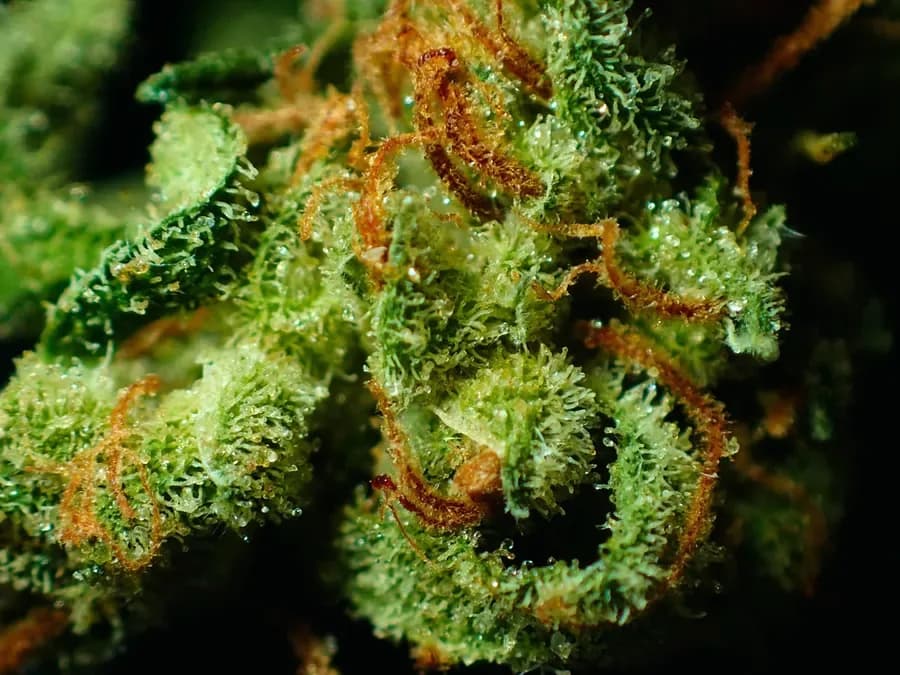
Leafly describes true OG as smelling of lemon, pine and fuel, and its lab data backs that up with myrcene, limonene and beta-caryophyllene as the leading terpenes, plus pinene and linalool in smaller amounts. Limonene and pinene give the lemon-pine top, caryophyllene a peppery warmth, and the fuel note echoes its presumed Chemdawg parent. Reviewers most often call it woody, piney and earthy.
OG Kush effects usually combine a quick mental lift with a heavier body finish. In Leafly's data hungry, relaxed and sleepy lead, with euphoric and happy close behind, and consumers most often mention stress, winding down for sleep and everyday aches. Leafly notes that people tend to save it for later in the day. With a lab-data median of 25% THC on Leafly and 18–25% on CannaConnection, it is one of the stronger classics here, so smaller servings make sense for occasional consumers. Dry mouth and dry eyes are the most reported side effects, followed by dizziness and some paranoia.
Many products sold as OG Kush are actually one of its phenotypes or descendants — Leafly lists Tahoe OG, SFV OG and Ghost OG among them — so aroma and strength vary by grower. Compared with Bubba Kush, which shares its Florida-to-Los Angeles story, OG Kush is brighter and more head-forward. For cultivators it is demanding: Leafly rates it difficult, recommends a dry environment and roomy containers, and puts flowering at about eight weeks.
Origin & history
Leafly's genealogy traces OG Kush to Florida in the early 1990s. In the mid-1990s Los Angeles grower Josh Del Rosso ("Josh D") challenged his friend Matt "Bubba" Berger to prove Florida weed was better than LA's; in 1996 Berger arrived with a handful of cuttings, and only one of the five survived. That clone became the OG Kush of Southern California. Its parents were never recorded: Chemdawg and Hindu Kush are most often named, and some accounts add Lemon Thai. Even the meaning of "OG" is unsettled.
What people use it for
- Stress
- Sleep
- Aches and pains
- Low appetite
- Low mood
These are reasons consumers give for choosing OG Kush, gathered from public strain reports. They are not medical claims or advice, and they haven’t been tested in clinical trials. If you’re managing a health condition, talk to a clinician.
OG Kush: frequently asked questions
Is OG Kush indica or sativa?
It is a hybrid. AllBud lists it as 55% sativa, CannaConnection as 75% indica, and Leafly users mostly report relaxed, hungry and sleepy effects, so it is commonly treated as indica-leaning.
What does OG stand for in OG Kush?
Nobody knows for sure. Leafly notes that popular explanations include "Original Gangster" and "Ocean Grown", but none is documented.
Where does OG Kush come from?
According to Leafly, it was first grown in Florida in the early 1990s and brought to Los Angeles in 1996 by Matt "Bubba" Berger, where Josh D preserved the surviving clone.
Sources
- Leafly — OG Kush strain page (lab-data medians, user-reported effects) · checked Sep 2026
- Leafly — An Epoch of OG: the OG Kush family genealogy · checked Sep 2026
- CannaConnection — OG Kush strain information · checked Sep 2026
- AllBud — OG Kush · checked Sep 2026
If you like OG Kush
 hybrid
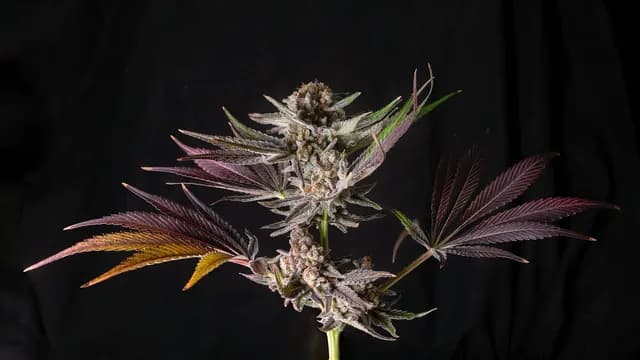
Bubba Kush
OG Kush × an unknown indica known as "Bubba" (reportedly a Northern Lights–type plant), per the account attributed to Matt "Bubba" Berger
THC15–22%Beta-Caryophyllene · Limonene · Myrcene
- Sleepy
- Relaxed
- Hungry
 hybrid
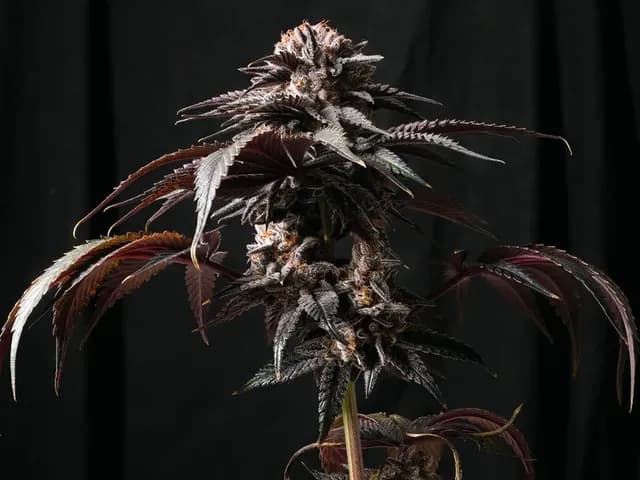
Chemdawg
Unknown — grown from seeds found in "Dogbud" bought at a 1991 Grateful Dead show; the bud was said to originate near the California–Oregon border
THC18–24%Beta-Caryophyllene · Myrcene · Limonene
- Euphoric
- Relaxed
- Tingly
 hybrid
Headband
OG Kush × Sour Diesel per Leafly and AllBud; the related 707 Headband is also linked to Master Kush — disputed
THC17–24%Beta-Caryophyllene · Limonene · Myrcene
- Euphoric
- Tingly
- Uplifted
- indica
Hindu Kush
Pure indica landrace from the Hindu Kush mountains, maintained as an inbred seed line
THC18–20%Limonene · Beta-Caryophyllene · Alpha-Pinene
- Sleepy
- Relaxed
- Hungry