























Beta-Caryophyllene
Beta-caryophyllene is the peppery terpene of black pepper and cloves and a dietary cannabinoid that activates the CB2 receptor without causing a high.
What people report
- Binds selectively to the CB2 cannabinoid receptor and acts as a CB2 agonist (Gertsch et al., 2008)
- Reduced inflammation in mice, an effect absent in mice lacking CB2 receptors
- Non-intoxicating: it is selective for CB2 rather than the CB1 receptor behind THC's high
Reported associations, not proven effects. Most research on beta-caryophyllene comes from lab and animal studies, and the amounts in cannabis are small. How a strain feels depends on its whole profile, the dose and the person.
About beta-caryophyllene
Beta-caryophyllene (BCP) is the spicy, peppery terpene that contributes to the aroma of black pepper and is a notable component of clove oil. It is also common in hops, rosemary and copaiba, and it is one of the main sesquiterpenes in cannabis. In Leafly's lab data it leads Sour Diesel, Chemdawg, Headband, Bubba Kush and Acapulco Gold, and it sits near the top of most other profiles in this guide.
What makes BCP unusual is its pharmacology. A 2008 study in PNAS by Gertsch and colleagues showed that it binds selectively to the CB2 cannabinoid receptor and acts as a functional agonist there, earning it the label "dietary cannabinoid". In that study, oral BCP reduced inflammation in mice but not in mice lacking CB2 receptors. Because CB2 is not the receptor behind THC's psychoactive effects, BCP does not produce a high. These are cell and animal findings, not proven benefits in people.
Wikipedia notes a related compound, caryophyllene oxide, is what drug-detection dogs are trained to recognize. PubChem gives BCP's boiling point as about 256–259 °C at normal pressure, much higher than monoterpenes such as myrcene; it also lists 264–266 °F (about 129–130 °C) at a reduced pressure of 14 mmHg, so lower figures should be checked for the pressure they refer to.
Strains where beta-caryophyllene leads · 7
Dominant terpene, most popular first
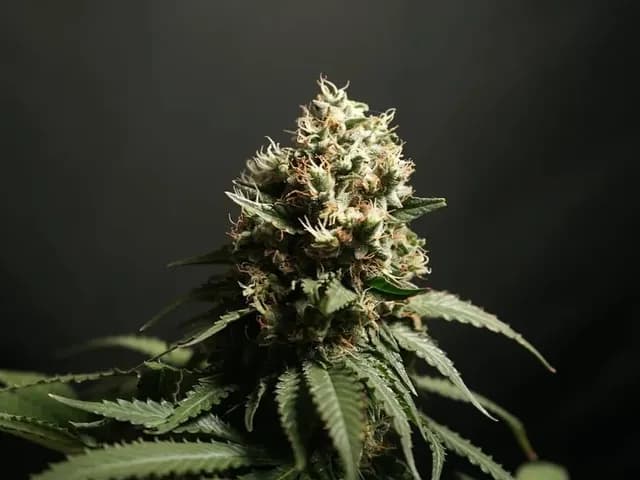 hybrid
Sour Diesel
Usually listed as Chemdawg 91 × Super Skunk; High Times describes an accidental cross of Chem 91 with an unidentified hermaphrodite plant — disputed
THC19–22%Beta-Caryophyllene · Myrcene · Limonene
- Energetic
- Uplifted
- Talkative
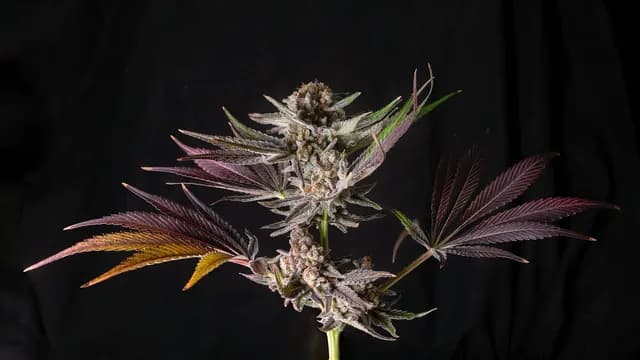 hybrid
Bubba Kush
OG Kush × an unknown indica known as "Bubba" (reportedly a Northern Lights–type plant), per the account attributed to Matt "Bubba" Berger
THC15–22%Beta-Caryophyllene · Limonene · Myrcene
- Sleepy
- Relaxed
- Hungry
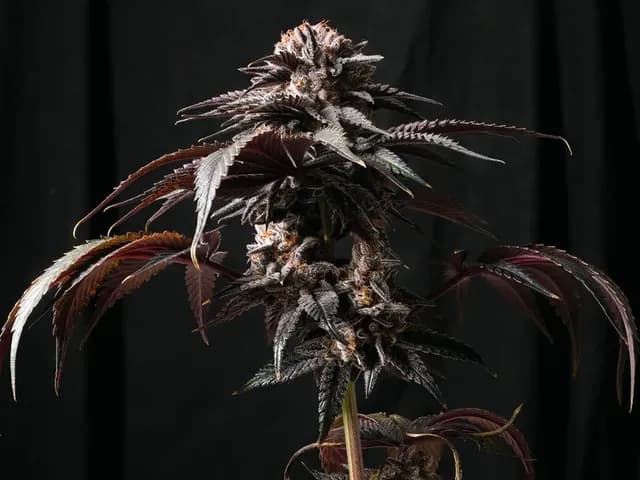 hybrid
Chemdawg
Unknown — grown from seeds found in "Dogbud" bought at a 1991 Grateful Dead show; the bud was said to originate near the California–Oregon border
THC18–24%Beta-Caryophyllene · Myrcene · Limonene
- Euphoric
- Relaxed
- Tingly
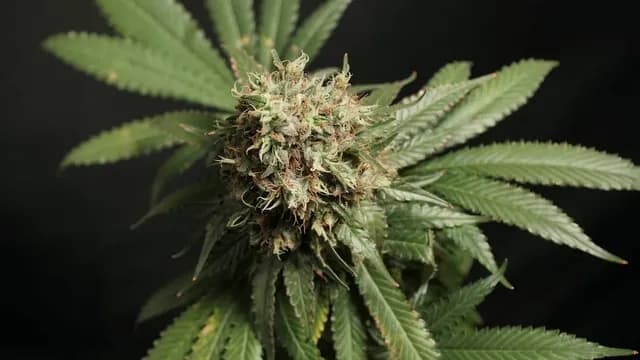 hybrid
Headband
OG Kush × Sour Diesel per Leafly and AllBud; the related 707 Headband is also linked to Master Kush — disputed
THC17–24%Beta-Caryophyllene · Limonene · Myrcene
- Euphoric
- Tingly
- Uplifted
 sativa
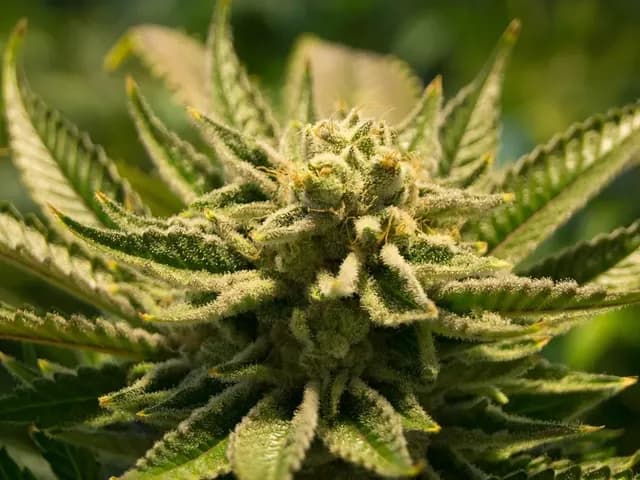
Acapulco Gold
Mexican landrace sativa from the Guerrero mountains near Acapulco (no documented cross)
THC18–24%Beta-Caryophyllene · Myrcene · Limonene
- Focused
- Energetic
- Creative
- hybrid
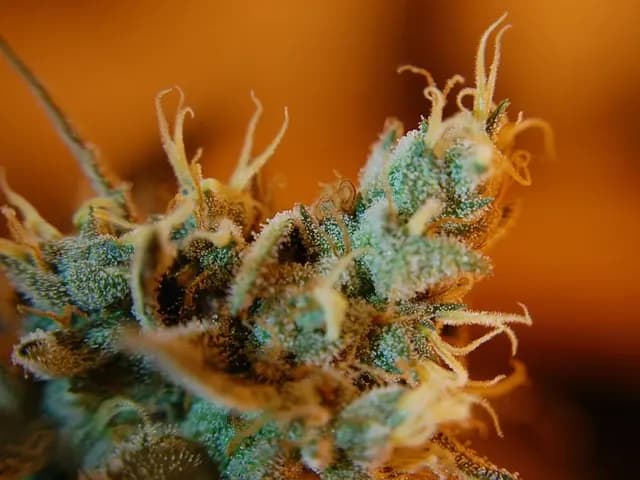
Rainbow Belts
Zkittlez × Moonbow #75
THC20–24%Beta-Caryophyllene · Linalool · Limonene
- Relaxed
- Euphoric
- Talkative
 hybrid
White Runtz
Zkittlez × Gelato (a white-frosted Runtz phenotype)
THC18–24%Beta-Caryophyllene · Limonene · Linalool
- Tingly
- Relaxed
- Euphoric
Also present in · 25
As a secondary or minor terpene
- indicaNorthern LightsTHC 16–21%
- hybridWhite WidowTHC 15–25%
- hybridJack HererTHC 15–24%
- hybridOG KushTHC 18–25%
- hybridBlue DreamTHC 17–24%
- hybridGranddaddy PurpleTHC 17–23%
- sativaPurple HazeTHC 16–20%
- hybridSuper Lemon HazeTHC 19–26%
- hybridAmnesia HazeTHC 19–24%
- hybridAK-47THC 13–21.5%
- sativaHazeTHC 14–23%
- indicaAfghan KushTHC 15–21%
- indicaHindu KushTHC 18–20%
- hybridBlueberryTHC 16–24%
- hybridPineapple ExpressTHC 20–25%
- hybridGreen CrackTHC 15–25%
- sativaMaui WowieTHC 19–20%
- hybridStrawberry CoughTHC 15–20%
- hybridHarlequinTHC 4–7%
- hybridACDCTHC 1%
- hybridCharlotte's WebTHC 0.3–1%
- hybridCannatonicTHC 4–8%
- hybridPink RuntzTHC 23–25%
- hybridSkunk #1THC 15–20%
- hybridTrainwreckTHC 17–25%
Sources
- Gertsch J et al. (2008), Beta-caryophyllene is a dietary cannabinoid, PNAS · checked Sep 2026
- PubChem — (−)-Caryophyllene (CID 5281515) · checked Sep 2026
- Wikipedia — Caryophyllene · checked Sep 2026
- Russo EB (2011), Taming THC: potential cannabis synergy and phytocannabinoid-terpenoid entourage effects, British Journal of Pharmacology · checked Sep 2026
- Leafly — strain pages, terpene descriptors (e.g. Jack Herer) · checked Sep 2026