





























- THC
- 14–23%
Haze strain
Also known as Original Haze, Haze Brothers, OG Haze
Haze is the original Santa Cruz sativa of Colombian, Mexican, Thai and South Indian stock: spicy, incense-like, energetic and notoriously slow to flower.
- Lineage
- Blend of Colombian, Mexican, Thai and South Indian sativa landraces (per Leafly; the exact recipe is undocumented)
- Breeder
- The "Haze Brothers", Santa Cruz, California (late 1960s–early 1970s); brought to the Netherlands in the 1980s via Sam the Skunkman and/or Nevil Schoenmakers — accounts differ
- Origin
- United States (Santa Cruz, California)
Terpene profile
- Myrcenedominant
- Alpha-Pinenesecondary
- Beta-Caryophyllenesecondary
- Limoneneminor
- Humuleneminor
Segments show how prominent each terpene is reported to be — not measured percentages.
Reported effects
May cause
What consumers commonly report. Effects vary with dose, tolerance and batch.
- Spicy
- Herbal
- Earthy
- Woody
- Citrus
- Sweet
About Haze
The Haze strain is the grandparent of the modern sativa. Its long, airy colas and spicy incense smell run through Jack Herer, Super Silver Haze, Amnesia Haze, Blue Dream and dozens of others, which is why the name appears in so many strain titles. Is Haze indica or sativa? It is a sativa, assembled from tropical landraces; AllBud lists it at 80% sativa, and Leafly classifies it as a sativa.
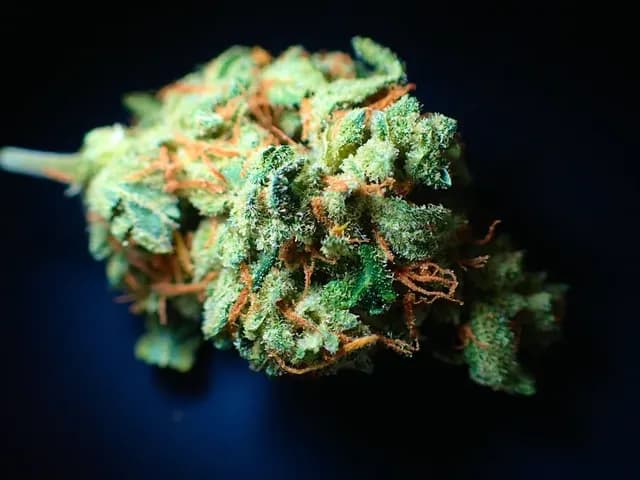
Leafly reviewers describe Haze first as spicy and herbal, then tobacco, earthy and woody, and AllBud adds citrus and orange aromas with a sweet finish. Its lab-derived terpene profile on Leafly is led by myrcene, with pinene and beta-caryophyllene nearly level behind it and limonene close. Pinene and caryophyllene explain the resinous, peppery "incense" quality people associate with Haze, while limonene supplies the orange-citrus edge. Leafly's Haze genealogy notes that different branches of the family drifted toward fruity-skunky or sharp chemical flavors.
Haze effects are cerebral and energetic. In Leafly's user data energetic, creative and uplifted lead, followed by happy, talkative and euphoric. It is the classic example of a racy sativa, though: paranoia is the single most reported side effect, ahead of dizziness, anxiety and dry mouth, and AllBud notes that too much can bring headaches and paranoia. Small amounts and daytime use are the usual approach; Blue Dream, one of its descendants, draws far fewer anxiety and paranoia reports in Leafly's data. THC figures range from 14% to 23% in AllBud's listing, with Leafly's lab median at 18%.
For growers Haze is the hardest plant in this guide. DNA Genetics says it typically needs 10–14 weeks of flowering and sometimes 16 for old-school phenotypes, and grows tall enough that a grower quoted in Leafly's Haze genealogy recommends at least five to six feet of space. In temperate regions DNA suggests a greenhouse, because outdoor plants may not finish until late October or November.
Origin & history
Haze is linked to two Santa Cruz growers remembered as the "Haze Brothers", who worked with sativa seeds from Colombia, Mexico, Thailand and South India. Dates vary: Leafly's strain page places Haze in the 1960s, and its Haze genealogy says the brothers got hold of it in the early 1970s. Accounts of its move to the Netherlands also differ. One says Sam the Skunkman brought Haze seeds and sold them to Nevil Schoenmakers of The Seed Bank; another, relayed from Ed Rosenthal's Big Book of Buds, says the brothers took it to Schoenmakers themselves. Dutch breeders then crossed it with indicas.
What people use it for
- Stress
- Low mood
- Low appetite
- Fatigue
- Aches and pains
These are reasons consumers give for choosing Haze, gathered from public strain reports. They are not medical claims or advice, and they haven’t been tested in clinical trials. If you’re managing a health condition, talk to a clinician.
Haze: frequently asked questions
Is Haze indica or sativa?
Haze is a sativa made from tropical landraces from Colombia, Mexico, Thailand and South India. AllBud lists it as 80% sativa and Leafly classifies it as a sativa.
How long does Haze take to flower?
DNA Genetics puts it at 10–14 weeks, and up to 16 weeks for old-school phenotypes, which is much longer than most modern hybrids.
Which strains come from Haze?
Leafly lists Blue Dream and Jack Herer among its descendants, and Haze is also a parent of Super Silver Haze, Purple Haze and, through Super Silver Haze, Super Lemon Haze.
Sources
- Leafly — Haze strain page (lab-data medians, user-reported effects) · checked Sep 2026
- Leafly — Beyond Blue Dream: a Haze strain family genealogy · checked Sep 2026
- DNA Genetics — Haze cannabis strain: origin, effects and cultivation · checked Sep 2026
- AllBud — Haze · checked Sep 2026
If you like Haze
 sativa
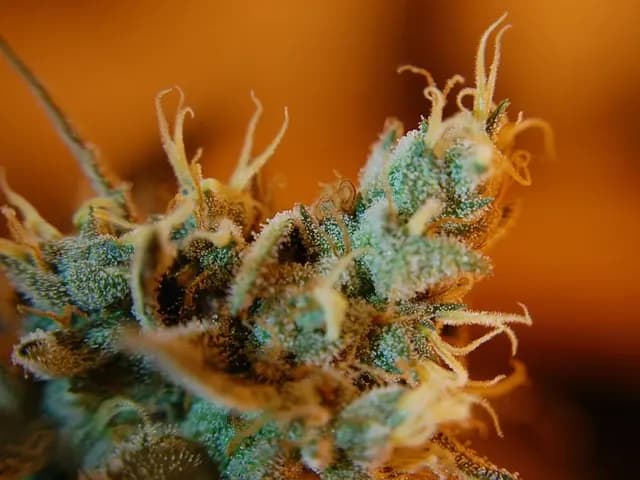
Purple Haze
Purple Thai × Haze (the most widely circulated version; several genetically different seed lines use the name)
THC16–20%Myrcene · Beta-Caryophyllene · Limonene
- Creative
- Euphoric
- Talkative
 hybrid
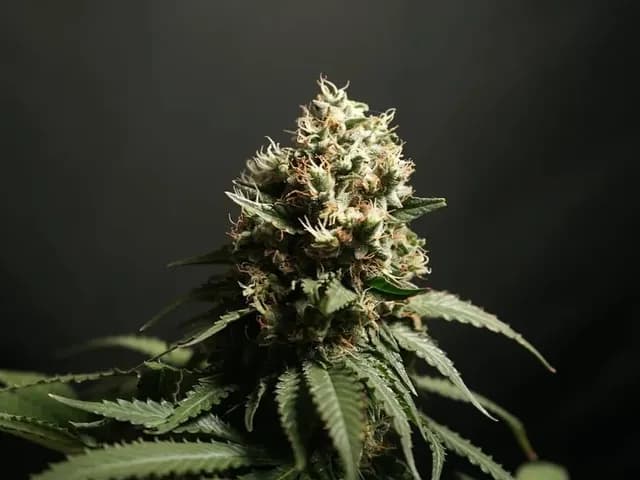
Amnesia Haze
Southeast Asian and Jamaican sativa landraces × Afghani-Hawaiian, as described for Soma's line; Leafly lists Haze × Afghani — the exact pedigree is unpublished
THC19–24%Myrcene · Beta-Caryophyllene · Limonene
- Euphoric
- Talkative
- Happy
 hybrid
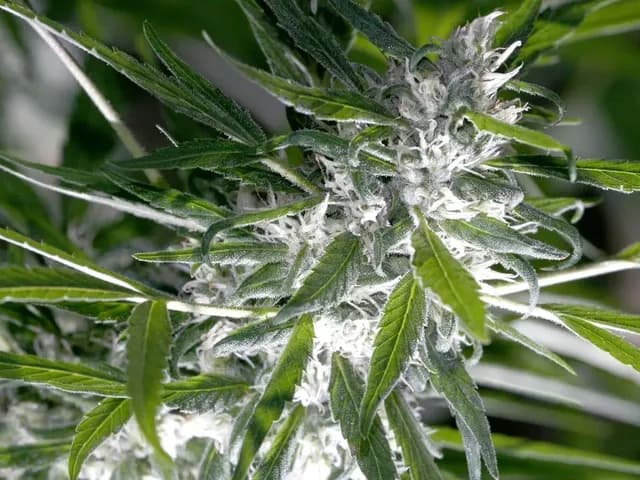
Super Lemon Haze
Lemon Skunk × Super Silver Haze (Green House Seeds)
THC19–26%Terpinolene · Beta-Caryophyllene · Limonene
- Energetic
- Focused
- Uplifted
 hybrid
Jack Herer
Haze hybrid × (Northern Lights #5 × Shiva Skunk), per Sensi Seeds and Leafly
THC15–24%Terpinolene · Beta-Caryophyllene · Alpha-Pinene
- Focused
- Energetic
- Creative