













- THC
- 15–25%
- CBD
- 0–1%
Durban Poison strain
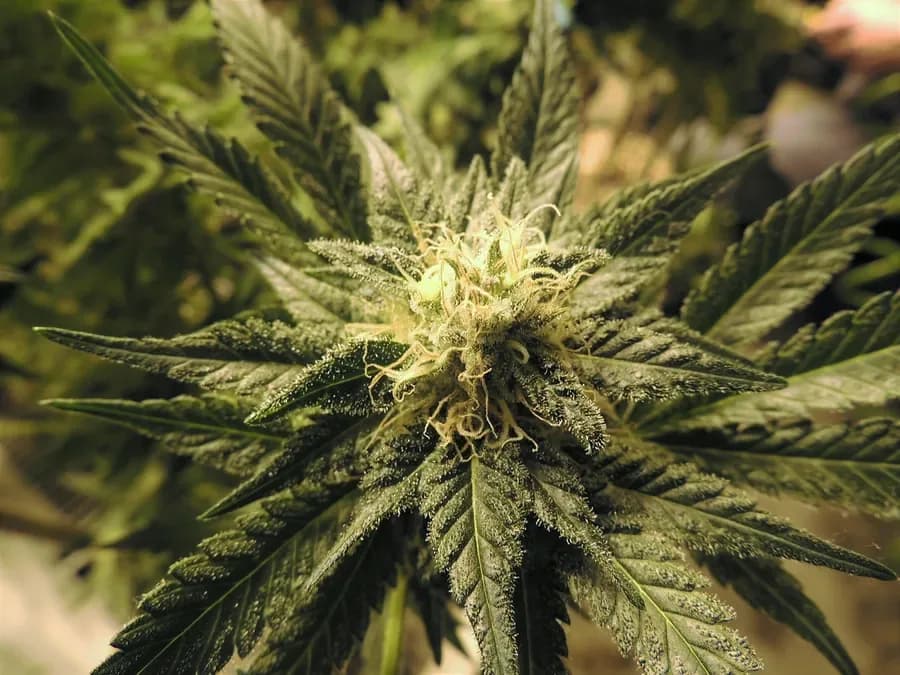
Durban Poison is a South African landrace sativa with a sweet anise-and-pine aroma, terpinolene-led terpenes and a clear, energetic daytime high.
- Lineage
- Pure South African sativa landrace (Dutch Passion's seed version is listed as Durban × unknown indica)
- Breeder
- Landrace from the Durban area of South Africa; exported by Ed Rosenthal in the late 1970s and first offered in a Dutch seed catalog (The Seed Bank) in 1985
- Origin
- South Africa
Terpene profile
- Terpinolenedominant
- Myrcenesecondary
- Ocimenesecondary
- Alpha-Pineneminor
- Limoneneminor
Segments show how prominent each terpene is reported to be — not measured percentages.
Reported effects
May cause
What consumers commonly report. Effects vary with dose, tolerance and batch.
- Sweet
- Anise
- Pine
- Earthy
- Herbal
- Citrus
About Durban Poison
The Durban Poison strain is about as close as most people will get to a working landrace: a sativa from around Durban, the South African port, that has been kept largely intact through decades of seed-bank breeding. Is Durban Poison indica or sativa? Sativa. Leafly and High Times list it as a pure sativa landrace, although Dutch Passion's widely sold seed line is described as Durban crossed with an unknown indica to tame the plant for European growers.
Its smell is unusual for a sativa. High Times and Dutch Passion both single out a sweet anise or licorice note, and Dutch Passion adds lemon and clove. Lab data on Leafly shows why: terpinolene is by far the dominant terpene, supported by myrcene and ocimene. Terpinolene gives the fresh, piney-herbal lift, ocimene contributes a sweet green note, and the combination lands somewhere between a spice cabinet and a pine forest. Leafly reviewers most often describe it as piney, earthy and sage-like.
Durban Poison effects are among the most consistently "daytime" in Leafly's user data: focused scores higher here than for any other classic in this guide, energetic is second only to Green Crack, and uplifted and creative follow. People report reaching for it for errands, work, exercise or outdoor plans, and Dutch Passion notes that larger amounts can bring a more sedative second phase. The main trade-off is anxiety, which is the most frequently reported side effect in Leafly's data, well ahead of dry mouth. Some articles promote Durban Poison as unusually rich in THCV, but Leafly's aggregated lab data shows a THCV median of 0%, so it is not something to count on. THC usually tests around 15–25%.
Compared with Jack Herer, which shares its terpinolene backbone, Durban is more single-minded: less body, more drive. Dutch Passion also credits it with a role in the Girl Scout Cookies family tree. Growers get a vigorous, resinous plant that flowers in about 8–9 weeks but stretches hard, so height control matters more than feeding.
Origin & history
Durban Poison is a landrace sativa from the Durban region of South Africa. Its modern spread is usually credited to American cannabis writer Ed Rosenthal, who collected seeds in the late 1970s; accounts of exactly how he obtained them vary. Fat Nugs Magazine and CannaConnection report that the seeds were shared with fellow author Mel Frank and with Sam the Skunkman, who took them to Amsterdam. The strain appeared in The Seed Bank's catalog in 1985, and Dutch Passion later inbred a version adapted to northern European conditions.
What people use it for
- Fatigue
- Low mood
- Stress
These are reasons consumers give for choosing Durban Poison, gathered from public strain reports. They are not medical claims or advice, and they haven’t been tested in clinical trials. If you’re managing a health condition, talk to a clinician.
Durban Poison: frequently asked questions
Is Durban Poison a pure sativa?
The original is a South African landrace sativa, and Leafly and High Times list it that way. Some seed versions differ: Dutch Passion describes its Durban Poison as Durban crossed with an unknown indica.
Does Durban Poison have a lot of THCV?
Some publications say so, but Leafly's aggregated lab data shows a median THCV of 0%. Individual lots may differ, so only a lab label can confirm it.
How long does Durban Poison take to flower?
Dutch Passion quotes about 8–9 weeks indoors and High Times 8–10 weeks. Plants stretch heavily, so indoor growers usually keep the vegetative phase short.
Sources
- Leafly — Durban Poison strain page (lab-data medians, user-reported effects) · checked Sep 2026
- High Times — Durban Poison strain profile · checked Sep 2026
- Dutch Passion — Durban Poison · checked Sep 2026
- Fat Nugs Magazine — Bud Backstories: Durban Poison · checked Sep 2026
- CannaConnection — Durban Poison strain information · checked Sep 2026
- AllBud — Durban Poison · checked Sep 2026
If you like Durban Poison
 hybrid
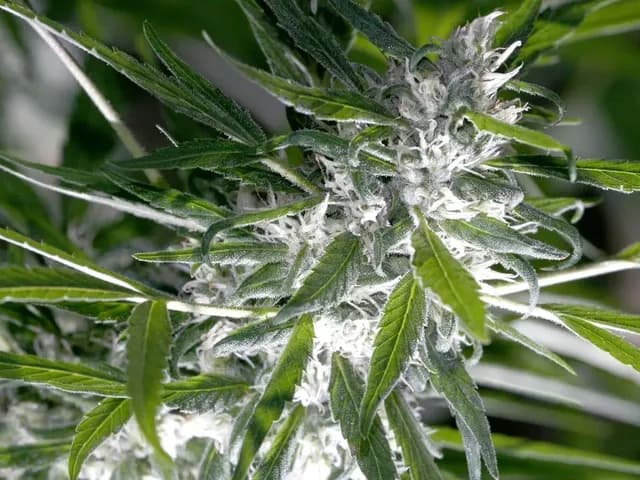
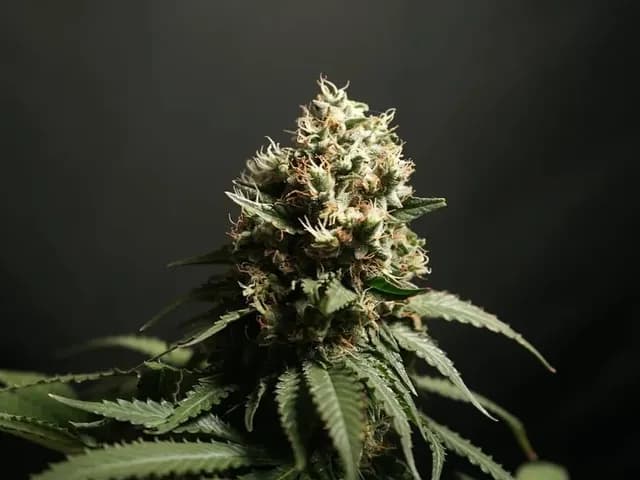
Jack Herer
Haze hybrid × (Northern Lights #5 × Shiva Skunk), per Sensi Seeds and Leafly
THC15–24%Terpinolene · Beta-Caryophyllene · Alpha-Pinene
- Focused
- Energetic
- Creative
 hybrid
Green Crack
Usually given as Skunk #1 × an Afghani landrace (Leafly lists Skunk #1 × an unknown indica)
THC15–25%Myrcene · Beta-Caryophyllene · Alpha-Pinene
- Energetic
- Focused
- Talkative
- hybrid
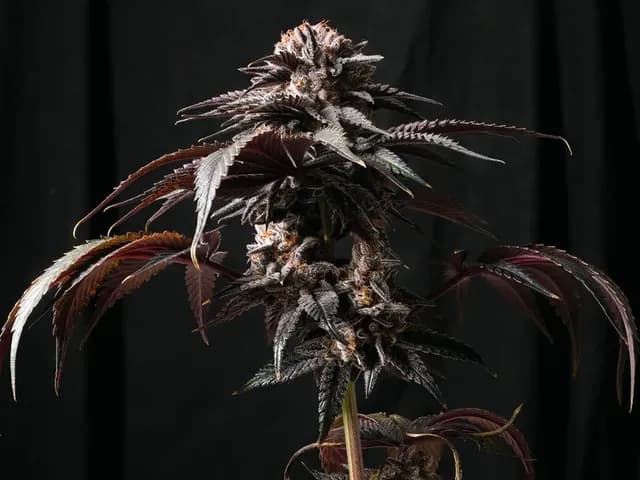
Super Lemon Haze
Lemon Skunk × Super Silver Haze (Green House Seeds)
THC19–26%Terpinolene · Beta-Caryophyllene · Limonene
- Energetic
- Focused
- Uplifted
 hybrid
Trainwreck
Mexican and Thai sativas × Afghani indica (per Leafly and CannaConnection)
THC17–25%Terpinolene · Myrcene · Alpha-Pinene
- Euphoric
- Uplifted
- Creative