

- THC
- 16–21%
Northern Lights strain
Also known as NL
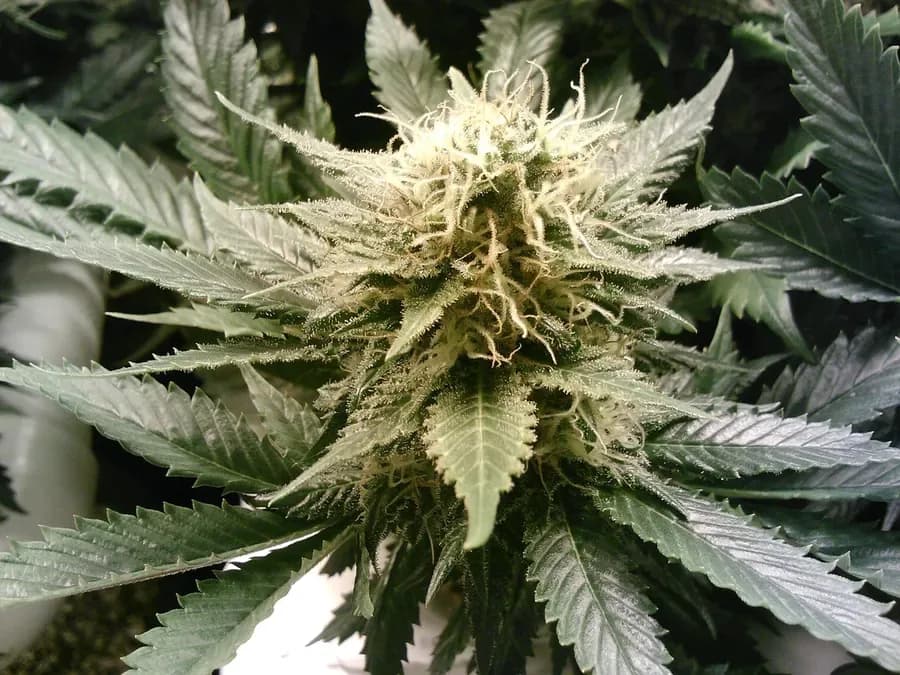
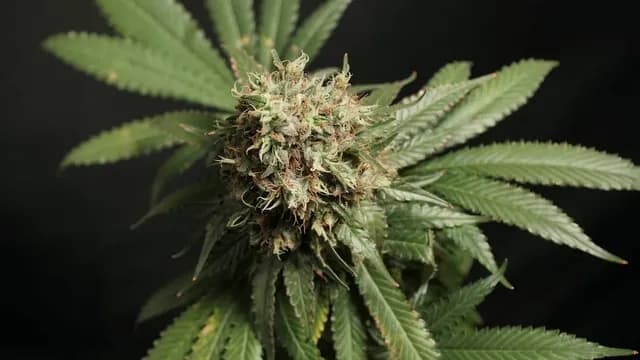
Northern Lights is a compact, fast-flowering indica of Afghani and Thai descent, known for earthy-pine aroma, heavy relaxation and easy growing.
- Lineage
- Afghani × Thai (reported; the original cross is undocumented)
- Breeder
- Unknown original breeder; reportedly from the US Pacific Northwest, developed and sold by Sensi Seeds in the Netherlands from 1985
- Origin
- United States (reported), later developed in the Netherlands
Terpene profile
- Myrcenedominant
- Beta-Caryophyllenesecondary
- Limonenesecondary
- Humuleneminor
- Alpha-Pineneminor
Segments show how prominent each terpene is reported to be — not measured percentages.
Reported effects
May cause
What consumers commonly report. Effects vary with dose, tolerance and batch.
- Pine
- Earthy
- Woody
- Sweet
- Spicy
- Honey
About Northern Lights
The Northern Lights strain is one of the reference points of indoor cannabis: a compact, quick-finishing plant that a long list of later hybrids was built on. If you are asking whether Northern Lights is indica or sativa, the answer is indica. Sensi Seeds sells its line as 90% indica and Leafly files it the same way. Its ancestry is usually given as Afghani with a smaller Thai share, which fits a plant that looks like a hash-country indica yet carries a slightly brighter lift in the high.
Lab data compiled by Leafly puts myrcene first in the terpene profile, followed by beta-caryophyllene and limonene. Together they read as musky earth up front, a peppery, woody middle and a faint sweet-citrus edge; Sensi's growers mention a trace of honey as the flowers ripen, and Leafly reviewers most often pick out pine and earth. It is a rounded, fairly quiet smell, which some people value as much as the effect.
Northern Lights effects lean hard toward the body. In Leafly's user-reported data, "sleepy" and "relaxed" are by far the strongest signals, with hunger, tingling and mild euphoria behind them, and the most common reported uses are winding down at night, stress and everyday aches. AllBud remarks that a couple of inhalations is enough for many people, so it rewards a light hand; people who want a social or creative session usually look elsewhere. Dry mouth is the complaint reported most often, while anxious and paranoid reactions score low in Leafly's data compared with haze-type sativas.
Within its own family, Northern Lights sits on the heavier side of Skunk #1, which Leafly users rate as far less sedating, and its genes run through well-known descendants such as Shiva Skunk, Super Silver Haze and Jack Herer. For growers it remains an easy first plant: Sensi quotes 45–50 days of flowering, modest indoor height and yields around 500 g/m². Potency is moderate by today's standards, with most sources placing THC between about 16% and 21% and Leafly's lab median at 18%.
Origin & history
Northern Lights has no documented creator. The account repeated by Leafly and CannaConnection places its beginnings on the northwest coast of the United States, often near Seattle, some time in the 1970s, with Afghani and Thai landraces as its likely building blocks. The genetics reached the Netherlands, where the company now known as Sensi Seeds developed and sold them from 1985. A Northern Lights #5 entry from The Seed Bank won the overall High Times Cannabis Cup in 1990, and the line went on to parent Shiva Skunk, Super Silver Haze and, through NL #5, Jack Herer.
What people use it for
- Sleep
- Aches and pains
- Stress
- Low appetite
- Muscle tension
These are reasons consumers give for choosing Northern Lights, gathered from public strain reports. They are not medical claims or advice, and they haven’t been tested in clinical trials. If you’re managing a health condition, talk to a clinician.
Northern Lights: frequently asked questions
Is Northern Lights indica or sativa?
Indica. Sensi Seeds lists its Northern Lights as 90% indica and Leafly classifies it as an indica; its ancestry is usually traced to Afghani with some Thai genetics.
How strong is Northern Lights?
Moderate by modern standards. AllBud and CannaConnection give a typical THC range of about 16–21%, and Leafly's lab-data median is 18%. CBD is normally negligible.
How long does Northern Lights take to flower?
Sensi Seeds quotes 45–50 days indoors, and CannaConnection gives 7–8 weeks with an outdoor harvest from late September in the Northern Hemisphere.
Sources
- Leafly — Northern Lights strain page (lab-data medians, user-reported effects) · checked Sep 2026
- AllBud — Northern Lights · checked Sep 2026
- CannaConnection — Northern Lights strain information · checked Sep 2026
- Sensi Seeds — Northern Lights Regular · checked Sep 2026
- Wikipedia — Cannabis Cup (list of past High Times Cannabis Cup winners) · checked Sep 2026
If you like Northern Lights
 indica
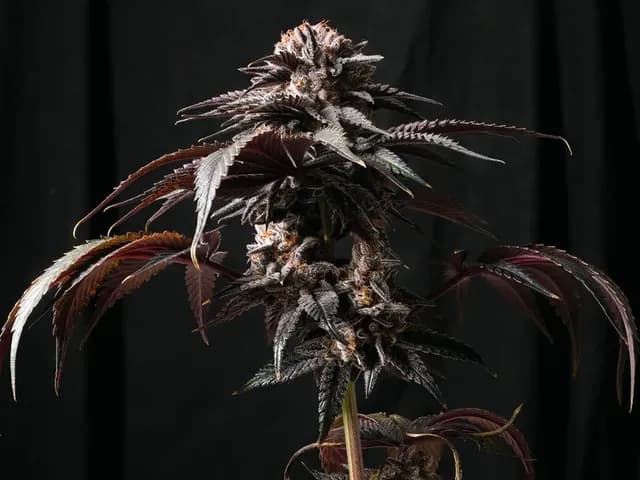
Hindu Kush
Pure indica landrace from the Hindu Kush mountains, maintained as an inbred seed line
THC18–20%Limonene · Beta-Caryophyllene · Alpha-Pinene
- Sleepy
- Relaxed
- Hungry
 indica
Afghan Kush
Afghan landrace indica from the Hindu Kush range (selected seed lines rather than a single cross)
THC15–21%Myrcene · Beta-Caryophyllene · Alpha-Pinene
- Sleepy
- Hungry
- Relaxed
- hybrid
Blueberry
(Purple Thai / Highland Thai) × Afghani, per DJ Short's account; Dutch Passion describes Afghani indica with Thai and a small share of Oaxacan sativa
THC16–24%Myrcene · Beta-Caryophyllene · Alpha-Pinene
- Sleepy
- Relaxed
- Happy