































Strains for feeling hungry
Increased appetite, the familiar “munchies”.
Based on what consumers report, not clinical evidence. The same strain can feel different depending on dose, tolerance, setting and batch.
Strongly reported · 2
Sorted by popularity in the guide
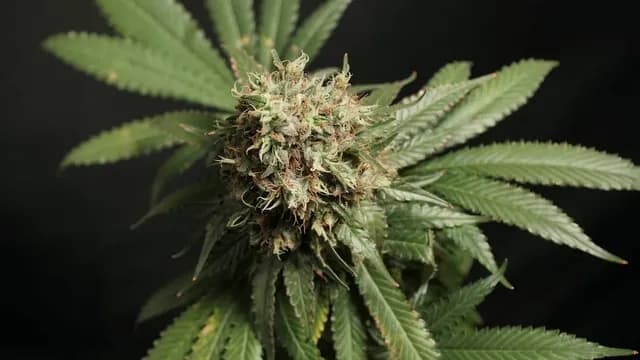 indicaHungry · strong
Afghan Kush
Afghan landrace indica from the Hindu Kush range (selected seed lines rather than a single cross)
THC15–21%Myrcene · Beta-Caryophyllene · Alpha-Pinene
- Hungry
- Sleepy
- Relaxed
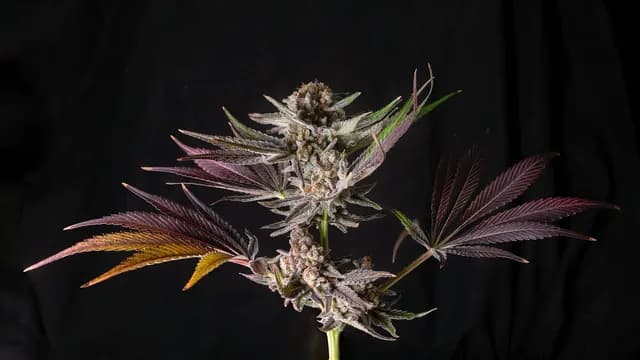 hybridHungry · strong
Bubba Kush
OG Kush × an unknown indica known as "Bubba" (reportedly a Northern Lights–type plant), per the account attributed to Matt "Bubba" Berger
THC15–22%Beta-Caryophyllene · Limonene · Myrcene
- Hungry
- Sleepy
- Relaxed
Moderately reported · 8
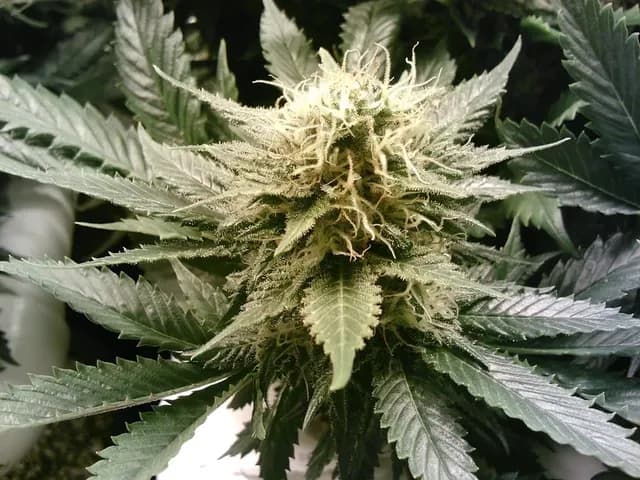 indicaHungry · moderate
Northern Lights
Afghani × Thai (reported; the original cross is undocumented)
THC16–21%Myrcene · Beta-Caryophyllene · Limonene
- Hungry
- Sleepy
- Relaxed
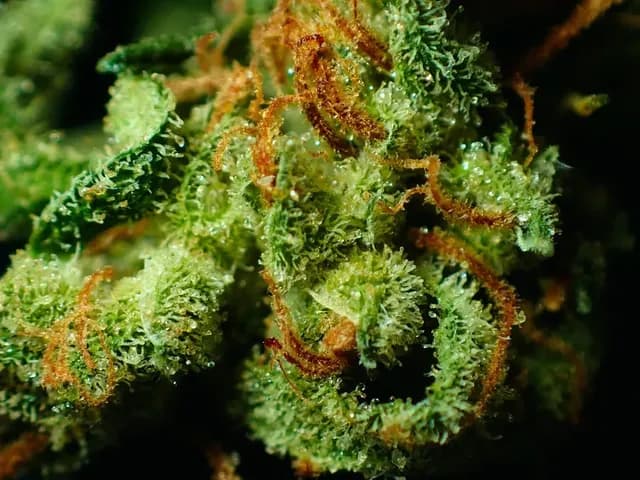 hybridHungry · moderate
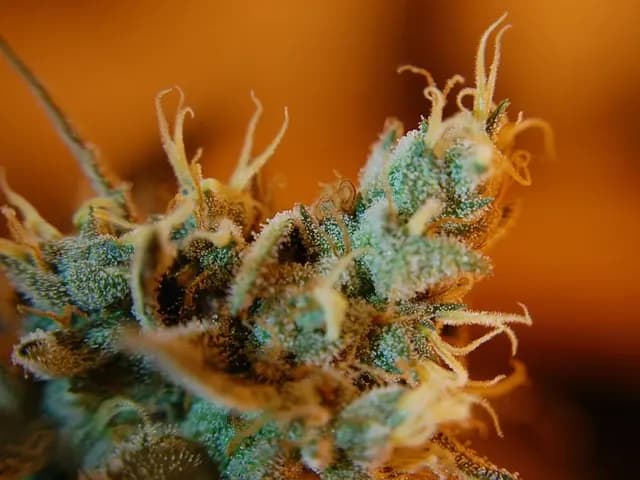
OG Kush
Unconfirmed; usually given as Chemdawg × Hindu Kush, with some accounts adding Lemon Thai
THC18–25%Myrcene · Limonene · Beta-Caryophyllene
- Hungry
- Relaxed
- Sleepy
 hybridHungry · moderate
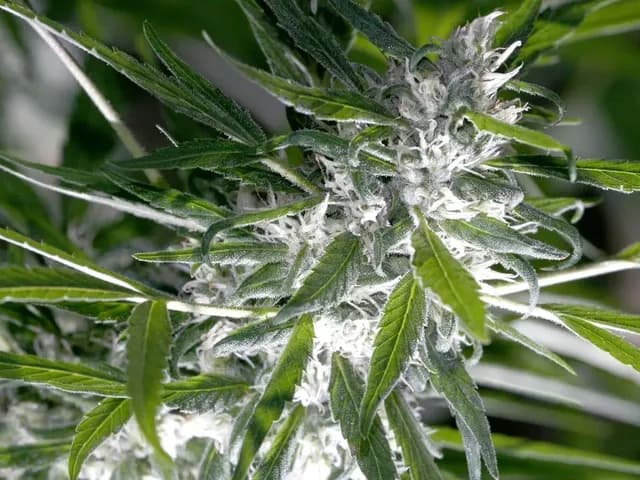
Granddaddy Purple
Disputed: most often listed as Purple Urkle × Big Bud; Ken Estes has described it as Mendo Purps × Skunk × Afghani
THC17–23%Myrcene · Alpha-Pinene · Beta-Caryophyllene
- Hungry
- Sleepy
- Relaxed
 hybridHungry · moderate
AK-47
Colombian × Mexican × Thai × Afghani seed stock; Serious Seeds keeps the exact pedigree secret
THC13–21.5%Myrcene · Alpha-Pinene · Beta-Caryophyllene
- Hungry
- Happy
- Talkative
- hybridHungry · moderate
Skunk #1
(Afghani × Colombian Gold) × Acapulco Gold, per the usual account of Sacred Seeds' work
THC15–20%Myrcene · Limonene · Alpha-Pinene
- Hungry
- Happy
- Euphoric
 indicaHungry · moderate
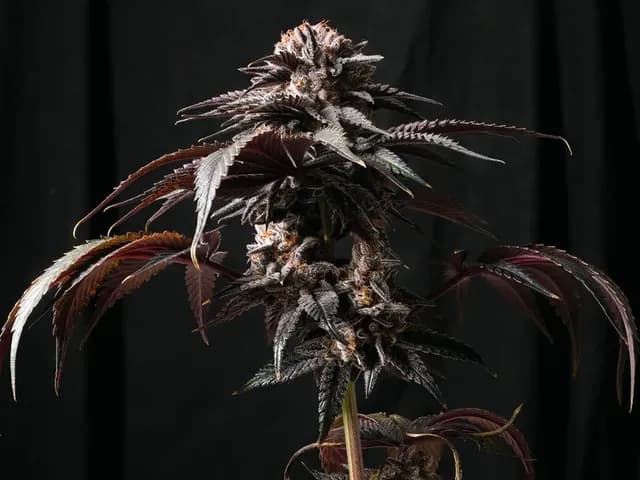
Hindu Kush
Pure indica landrace from the Hindu Kush mountains, maintained as an inbred seed line
THC18–20%Limonene · Beta-Caryophyllene · Alpha-Pinene
- Hungry
- Sleepy
- Relaxed
- hybridHungry · moderate
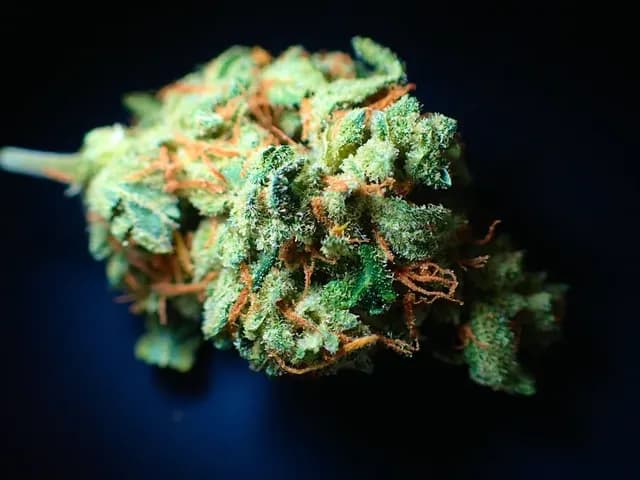
Blueberry
(Purple Thai / Highland Thai) × Afghani, per DJ Short's account; Dutch Passion describes Afghani indica with Thai and a small share of Oaxacan sativa
THC16–24%Myrcene · Beta-Caryophyllene · Alpha-Pinene
- Hungry
- Sleepy
- Relaxed
 hybridHungry · moderate
GMO (Garlic Cookies)
Chemdawg (Chem D) × Girl Scout Cookies (Forum cut)
THC20–32%- Hungry
- Tingly
- Creative
About “hungry”
The munchies have been measured for four decades, and the finding barely changes: cannabis raises how much people eat, and the extra tends to be snacks.
- 1986. Foltin, Brady and Fischman (Pharmacology Biochemistry and Behavior) housed nine men in a residential laboratory. Two or three marijuana cigarettes in the social period raised daily calories, through between-meal snacks rather than bigger meals.
- 2014. Soria-Gomez et al. (Nature Neuroscience) showed in mice that CB1 receptors in the olfactory bulb increased odor detection and food intake in fasted animals.
- 2015. Koch et al. (Nature) found in mice that cannabinoid-driven feeding recruits hypothalamic POMC neurons, cells that normally signal fullness.
- 2025. Hume et al. (PNAS) had 82 adults vape THC-dominant cannabis or placebo. Cannabis users ate significantly more, whatever their body mass, time since last meal, sex or dose. Rats worked harder for food even when full.
None of these compare strains. They used generic THC-dominant cannabis, so a strain's hungry tag is consumer report only. Verdex lists it on 27 of 74 profiles and rates it strong on just two, Afghan Kush and Bubba Kush.
The snack habit has a dental side. The American Dental Association tells dentists to steer regular cannabis users toward nutritious rather than sweet snacks, and notes higher cavity rates in that group. Dry mouth is the other half of that picture; see dry mouth.