




Sativa strains
Strains sold under the sativa label, ranked by popularity in the guide, with typical THC ranges, dominant terpenes and the effects people report.
5 sativa strains
Ranked by popularity in the guide
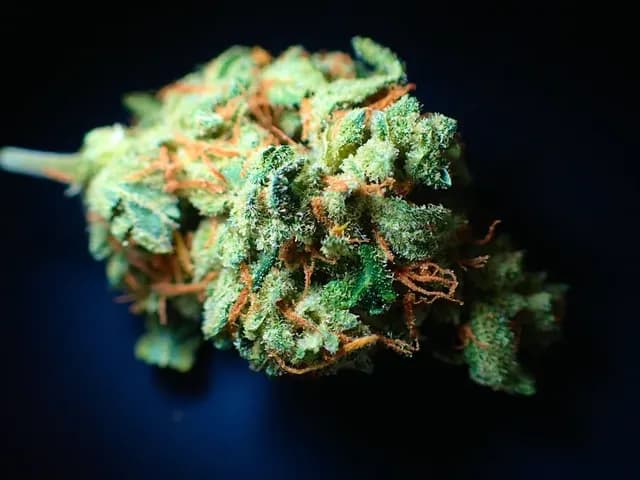
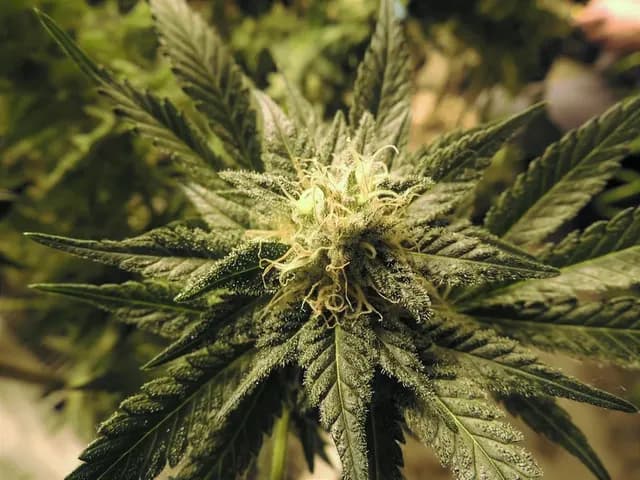 sativa#1
Durban Poison
Pure South African sativa landrace (Dutch Passion's seed version is listed as Durban × unknown indica)
THC15–25%Terpinolene · Myrcene · Ocimene
- Focused
- Energetic
- Uplifted
 sativa#2
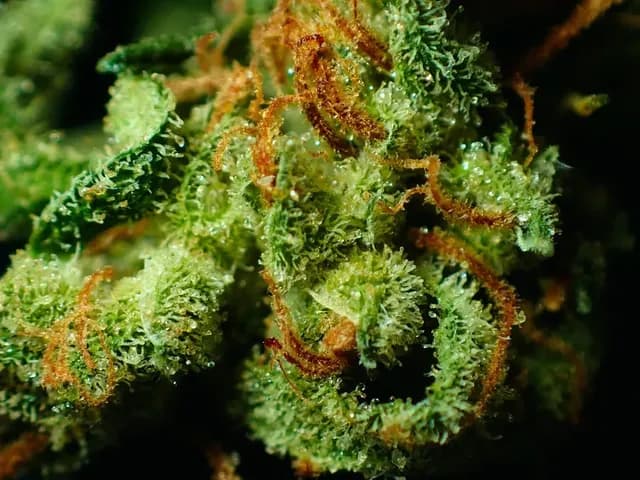
Purple Haze
Purple Thai × Haze (the most widely circulated version; several genetically different seed lines use the name)
THC16–20%Myrcene · Beta-Caryophyllene · Limonene
- Creative
- Euphoric
- Talkative
 sativa#3
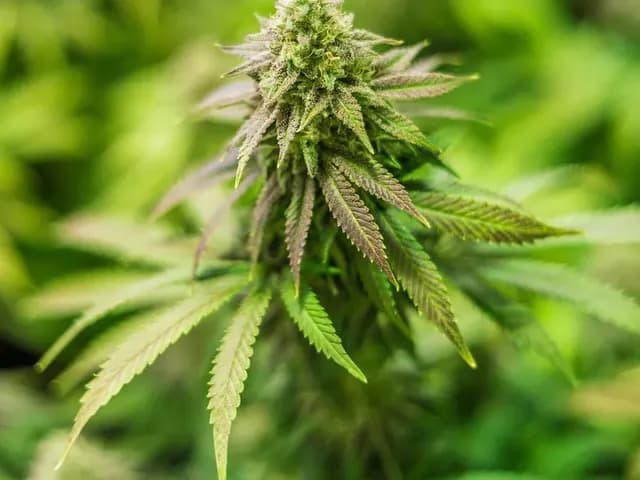
Haze
Blend of Colombian, Mexican, Thai and South Indian sativa landraces (per Leafly; the exact recipe is undocumented)
THC14–23%Myrcene · Alpha-Pinene · Beta-Caryophyllene
- Energetic
- Creative
- Uplifted
 sativa#4
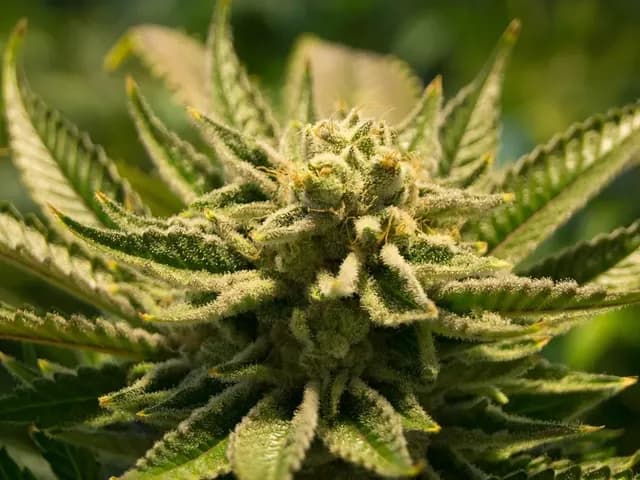
Maui Wowie
Hawaiian landrace-derived sativa (Leafly lists Hawaiian × an unknown strain)
THC19–20%Myrcene · Alpha-Pinene · Beta-Caryophyllene
- Energetic
- Uplifted
- Happy
 sativa#5
Acapulco Gold
Mexican landrace sativa from the Guerrero mountains near Acapulco (no documented cross)
THC18–24%Beta-Caryophyllene · Myrcene · Limonene
- Focused
- Energetic
- Creative
What “sativa” does and doesn’t tell you
“Sativa” originally described tall, lanky, narrow-leaved cannabis plants from warmer regions such as equatorial Africa, Southeast Asia and Latin America. On menus it has come to mean strains people expect to feel uplifting, social or energizing.
Like indica, the label is a loose guide. Genetic and chemical studies have found that sativa and indica labels often don’t match a strain’s measured chemistry, and nearly every modern sativa has some indica ancestry. High-THC sativas can also feel racy or anxious to some people. The terpene profile and dose matter more than the label.
Studies: Sawler et al., PLOS ONE (2015); Smith et al., PLOS ONE (2022).