







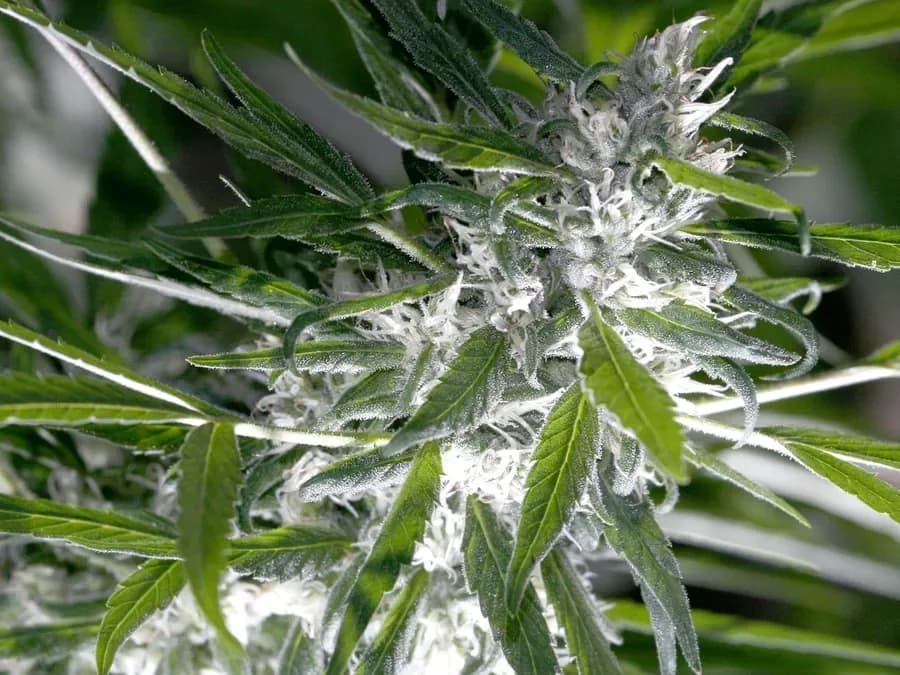
- THC
- 18–24%
Candyland strain
Also known as Kandyland
Candyland is Ken Estes' Granddaddy Purple × Bay Platinum Cookies cross: sweet and floral, with an upbeat, social high rather than GDP's sedation.
Not yet reviewed by our editors. Figures come from the sources listed below. How we check
- Lineage
- Granddaddy Purple (male) × Bay Platinum Cookies (female)
- Breeder
- Ken Estes (creator of Granddaddy Purple), around 2011
- Origin
- United States (California)
Terpene profile
- Beta-Caryophyllenedominant
- Limonenesecondary
- Humulenesecondary
- Myrceneminor
Segments show how prominent each terpene is reported to be — not measured percentages.
Reported effects
May cause
What consumers commonly report. Effects vary with dose, tolerance and batch.
- Sweet
- Flowery
- Honey
- Earthy
- Berry
- Spicy
About Candyland
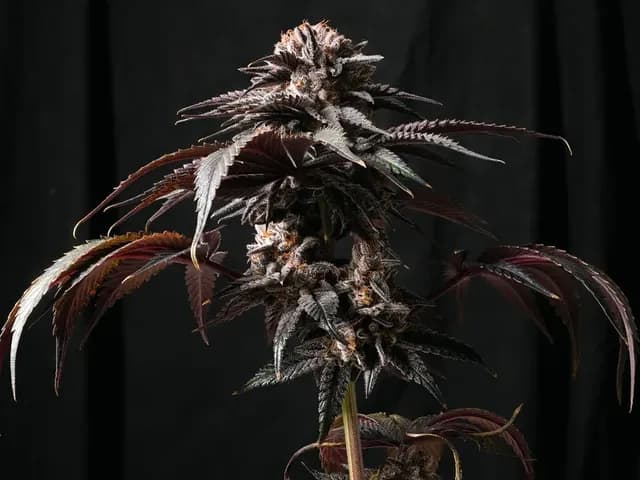
Candyland was bred to do what Granddaddy Purple does not: keep you on your feet. Its creator is Ken Estes, the California grower best known for GDP. Estes told Cannabis Now that he wanted a daytime-friendly version of GDP that also stood up better to mold, so he crossed a GDP male with a Bay Platinum Cookies female. The result keeps some purple striping in the leaves but behaves very differently from its famously sleepy parent.
The Candyland strain smells sweet above all. Leafly reviewers tag sweet, flowery and honey most often, with stone fruit and earth underneath, and AllBud lists berry, vanilla and candy-like notes with an earthy, herbal aroma. Estes himself admits he has struggled to put the taste into words, calling it tart but not sour. Beta-caryophyllene leads Leafly's terpene data by a wide margin, followed by limonene and humulene.
Effects are bright and sociable. Reviewers on Leafly put uplifted, energetic, happy and talkative near the top, and it comes up most in reviews that mention fatigue and low mood. That profile makes Candyland a pick for daytime errands or a get-together rather than for sleep. Anxiety is the side effect most tied to it in Leafly's data, though dry mouth and dry eyes score low. THC is solid: AllBud lists 18–24%, Leafly's median is 19%, and Estes has cited consistent results around 23–24%.
Candyland versus Granddaddy Purple is a study in how much one parent can change a cross. GDP is heavy, grape-scented and sedating; Candyland is lighter on the head and much more active. Growers get an easy, branchy plant that finishes in about eight weeks and yields well, and Leafly lists SPK and Sour Belts among its offspring.
Origin & history
Ken Estes introduced Granddaddy Purple in 2003 and bred Candyland around 2011, according to Cannabis Now. He pollinated a female Bay Platinum Cookies with a GDP male, looking for a cross that was less sedating, more mold-resistant and easier to grow. Estes has said it is the strain he is proudest of after Granddaddy Purple. It became a common sight in West Coast, Colorado and Michigan markets, according to AllBud.
What people use it for
- Fatigue
- Low mood
- Stress
- Daytime social plans
These are reasons consumers give for choosing Candyland, gathered from public strain reports. They are not medical claims or advice, and they haven’t been tested in clinical trials. If you’re managing a health condition, talk to a clinician.
Candyland: frequently asked questions
Who bred Candyland?
Ken Estes, the California breeder behind Granddaddy Purple. He crossed a GDP male with a Bay Platinum Cookies female.
Is Candyland a sativa?
It is a sativa-leaning hybrid. Leafly files it as a sativa and AllBud estimates about 70% sativa.
How is Candyland different from Granddaddy Purple?
It was bred to be the daytime counterpart: lighter and more energizing, more mold-resistant and easier to grow, with a sweet, floral aroma instead of GDP's grape.
Sources
- Leafly — Candyland strain page · checked Sep 2026
- AllBud — Candyland strain page · checked Sep 2026
- Cannabis Now — Candyland is the daytime-friendly child of Granddaddy Purple · checked Sep 2026
- The Cannigma — Candyland strain review · checked Sep 2026
If you like Candyland
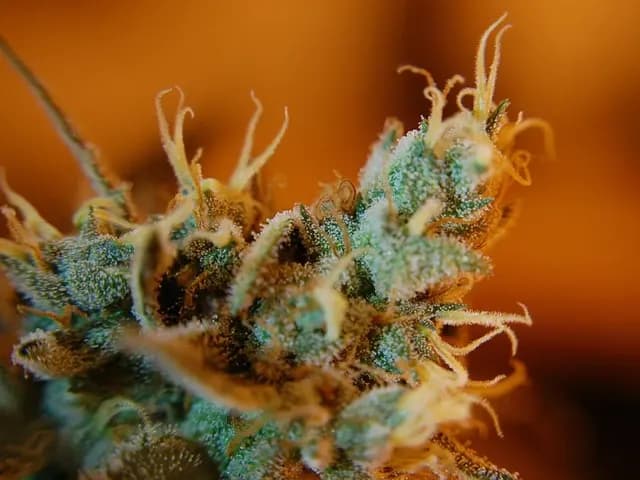 hybrid
Granddaddy Purple
Disputed: most often listed as Purple Urkle × Big Bud; Ken Estes has described it as Mendo Purps × Skunk × Afghani
THC17–23%Myrcene · Alpha-Pinene · Beta-Caryophyllene
- Sleepy
- Relaxed
- Hungry
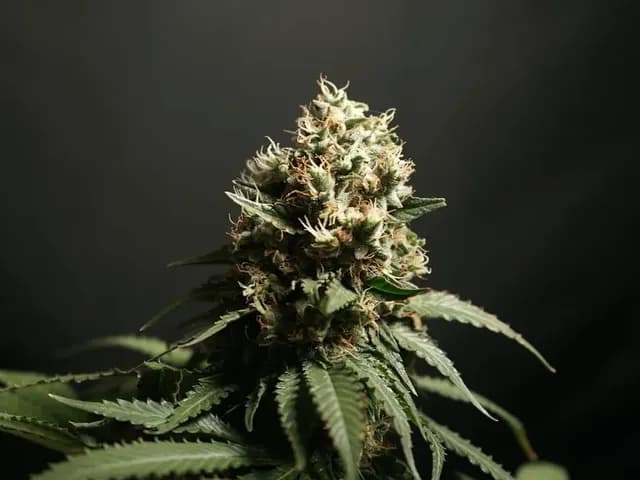 hybrid
Sour Diesel
Usually listed as Chemdawg 91 × Super Skunk; High Times describes an accidental cross of Chem 91 with an unidentified hermaphrodite plant — disputed
THC19–22%Beta-Caryophyllene · Myrcene · Limonene
- Energetic
- Uplifted
- Talkative
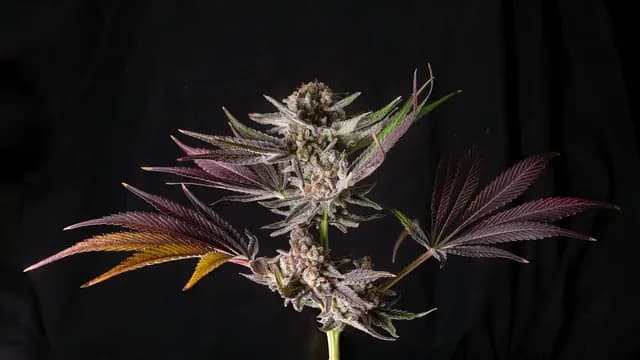 hybrid
Bubba Kush
OG Kush × an unknown indica known as "Bubba" (reportedly a Northern Lights–type plant), per the account attributed to Matt "Bubba" Berger
THC15–22%Beta-Caryophyllene · Limonene · Myrcene
- Sleepy
- Relaxed
- Hungry
 hybrid
Chemdawg
Unknown — grown from seeds found in "Dogbud" bought at a 1991 Grateful Dead show; the bud was said to originate near the California–Oregon border
THC18–24%Beta-Caryophyllene · Myrcene · Limonene
- Euphoric
- Relaxed
- Tingly