











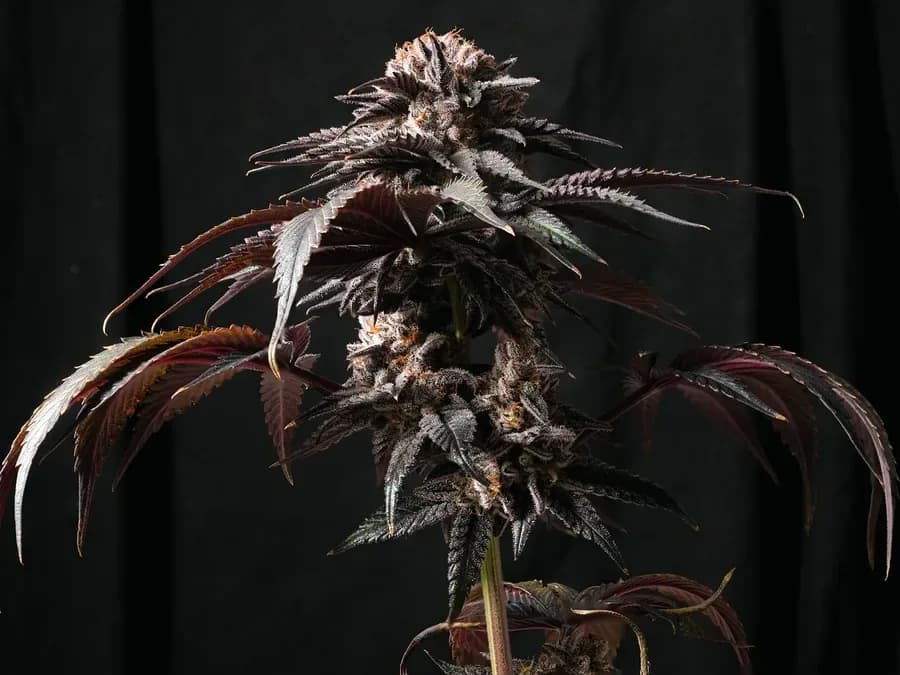
- THC
- 19–22%
Purple Kush strain
Also known as Purple Hindu Kush
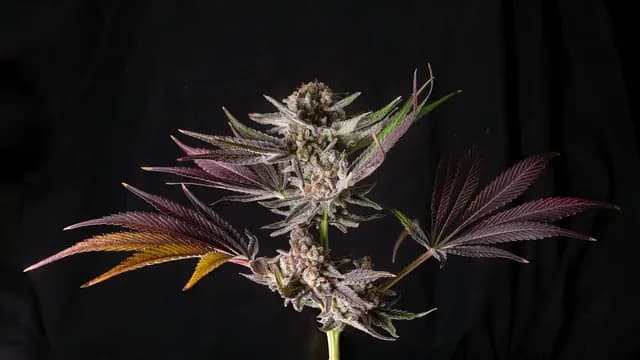
Purple Kush is an Oakland-born pure indica from Hindu Kush and Purple Afghani: grape and violet aroma, purple flowers and heavy, sleepy effects.
Not yet reviewed by our editors. Figures come from the sources listed below. How we check
- Lineage
- Hindu Kush × Purple Afghani
- Breeder
- Unknown; originated in Oakland, California
- Origin
- United States (California)
Terpene profile
- Myrcenedominant
- Alpha-Pinenesecondary
- Beta-Caryophyllenesecondary
- Ocimeneminor
Segments show how prominent each terpene is reported to be — not measured percentages.
Reported effects
May cause
What consumers commonly report. Effects vary with dose, tolerance and batch.
- Grape
- Violet
- Earthy
- Flowery
- Sweet
- Pungent
About Purple Kush
Purple Kush smells the way it looks. People reviewing it on Leafly tag grape and violet as its top flavors, AllBud describes earthy sweet grapes on the nose and red wine on the palate, and the flowers themselves often run deep purple under orange hairs. That grape-and-flower profile, rather than the sharp fuel of OG-type Kush, is what separates it from most strains with Kush in the name.
Chemically, it is a myrcene strain. Leafly's lab summary shows myrcene well out in front, followed by pinene and beta-caryophyllene, with a little ocimene. Myrcene-heavy profiles tend to smell musky and fruity, which fits the grape note here better than a citrus-heavy terpene would.
Purple Kush comes from Oakland, California, and is described as Hindu Kush crossed with Purple Afghani, both indica landrace lines from the mountains along the Afghanistan–Pakistan border. The result is a pure indica, and the effects are exactly what that suggests. Leafly users mention sleepy feelings by a wide margin, with hunger and relaxation behind, and people most often turn to it for sleep, body aches and stress. AllBud describes a euphoric start followed by a warm, numbing body feel that can end in long sleep. Dry mouth, dry eyes and dizziness are frequent complaints, and paranoia appears more than you might expect.
THC is typically around 19–22% across Leafly and AllBud. Compared with Granddaddy Purple, Purple Kush is earthier and less candy-sweet; compared with Hindu Kush, it adds color and fruit. For growers, Leafly describes a wide, short plant that finishes in about eight weeks with medium yields.
Origin & history
Purple Kush originated in the Oakland area of California, often associated with the Oaksterdam neighborhood, as a cross of a Hindu Kush female with a Purple Afghani. No breeder is credited in the sources we checked, and AllBud describes it as a 100% indica. It became a widespread West Coast indica and parent of later strains; Leafly lists Pink Lemonade and Banana Bread among its descendants.
What people use it for
- Sleep
- Aches and pains
- Stress
- Muscle tension
- Low appetite
These are reasons consumers give for choosing Purple Kush, gathered from public strain reports. They are not medical claims or advice, and they haven’t been tested in clinical trials. If you’re managing a health condition, talk to a clinician.
Purple Kush: frequently asked questions
What is Purple Kush a cross of?
Hindu Kush and Purple Afghani, two indica landrace lines. It originated in Oakland, California.
Is Purple Kush a pure indica?
Yes. Leafly and AllBud both list it as an indica, and users most often report sleepy, relaxing effects.
Why is Purple Kush purple?
The name reflects its color. Its Purple Afghani parent is described as a purple-tinged Afghani variety, and the flowers often show deep purple hues.
Sources
- Leafly — Purple Kush strain page · checked Sep 2026
- AllBud — Purple Kush strain page · checked Sep 2026
- Weedmaps — Purple Kush strain page · checked Sep 2026
If you like Purple Kush
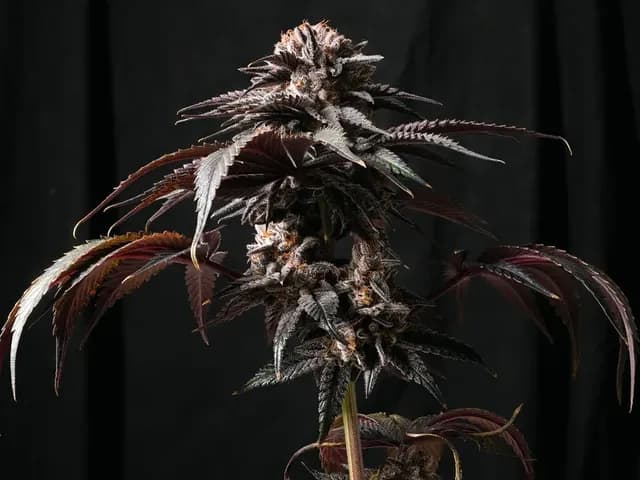 indica
Hindu Kush
Pure indica landrace from the Hindu Kush mountains, maintained as an inbred seed line
THC18–20%Limonene · Beta-Caryophyllene · Alpha-Pinene
- Sleepy
- Relaxed
- Hungry
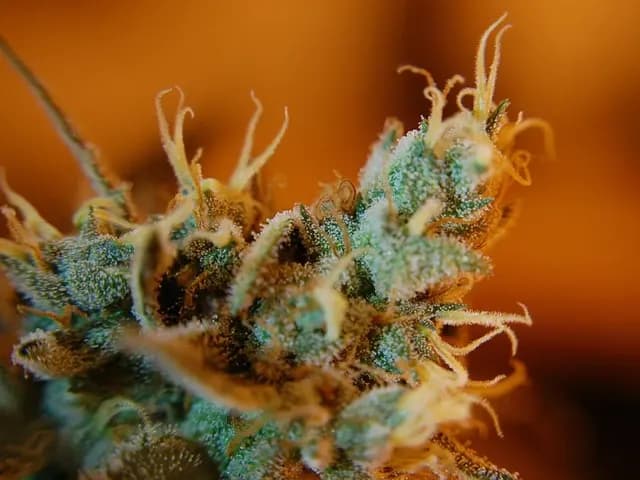 hybrid
Granddaddy Purple
Disputed: most often listed as Purple Urkle × Big Bud; Ken Estes has described it as Mendo Purps × Skunk × Afghani
THC17–23%Myrcene · Alpha-Pinene · Beta-Caryophyllene
- Sleepy
- Relaxed
- Hungry
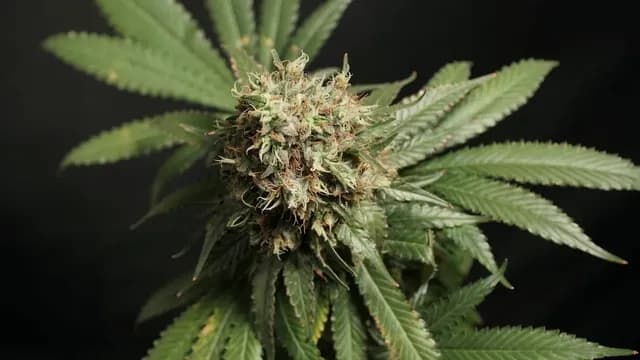 indica
Afghan Kush
Afghan landrace indica from the Hindu Kush range (selected seed lines rather than a single cross)
THC15–21%Myrcene · Beta-Caryophyllene · Alpha-Pinene
- Sleepy
- Hungry
- Relaxed
 hybrid
Bubba Kush
OG Kush × an unknown indica known as "Bubba" (reportedly a Northern Lights–type plant), per the account attributed to Matt "Bubba" Berger
THC15–22%Beta-Caryophyllene · Limonene · Myrcene
- Sleepy
- Relaxed
- Hungry