





























- THC
- 19–27%
Ghost Train Haze strain
Also known as GTH
Ghost Train Haze is Rare Dankness' Ghost OG × Nevil's Wreck sativa, famous for topping High Times potency lists, with sour citrus and a racy high.
Not yet reviewed by our editors. Figures come from the sources listed below. How we check
- Lineage
- Ghost OG × Nevil's Wreck
- Breeder
- Rare Dankness Seeds (Colorado), 2011
- Origin
- United States (Colorado)
Terpene profile
- Terpinolenedominant
- Limonenesecondary
- Myrcenesecondary
- Alpha-Pineneminor
Segments show how prominent each terpene is reported to be — not measured percentages.
Reported effects
May cause
What consumers commonly report. Effects vary with dose, tolerance and batch.
- Citrus
- Lime
- Sage
- Flowery
- Lemon
- Earthy
About Ghost Train Haze
Ghost Train Haze built its name on a single number. In High Times' first "Strongest Strains on Earth" list, a Ghost Train Haze entry from Denver's Greenman Cannabis topped the potency results at 25.49% THC, and the strain led again in 2014 at about 27.46%. For a few years, that made GTH the go-to answer for anyone asking about the strongest sativa available.
Those figures are the ceiling, not the norm. Leafly's lab median for Ghost Train Haze is 19% THC, and AllBud lists 27%, which tells you batches vary widely. Treat the headline results as proof of what the genetics can do in skilled hands rather than as a label promise.
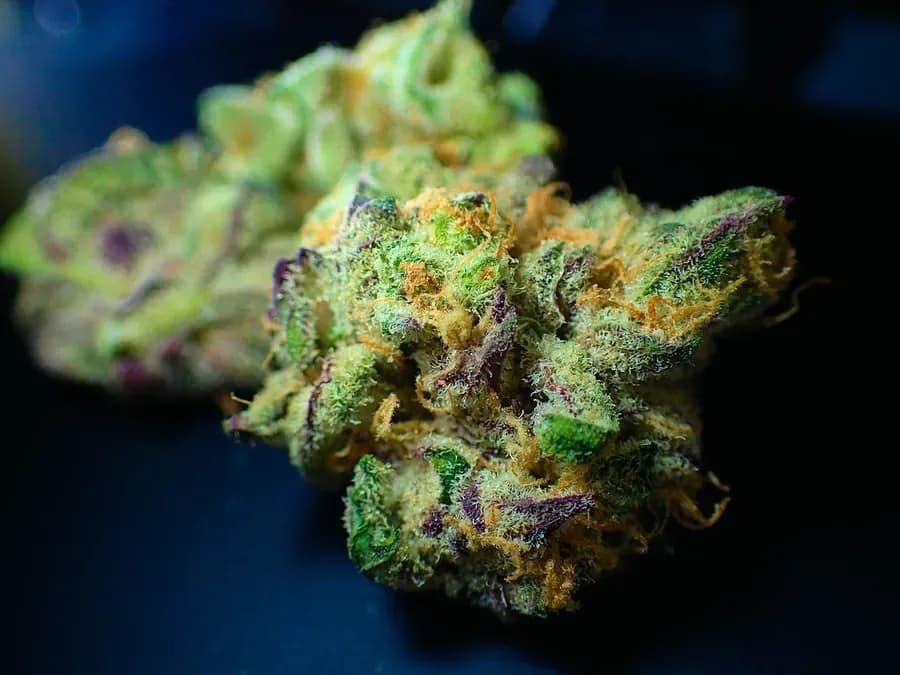
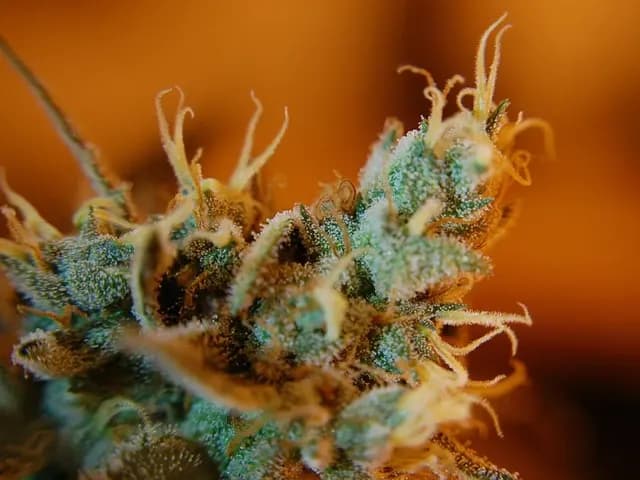
Rare Dankness bred it in Colorado around 2011 from Ghost OG and Nevil's Wreck, the latter carrying Trainwreck lineage, which is where the "Train" in the name comes from. The aroma is sour citrus and floral: Leafly reviewers tag citrus, sage and lime, and AllBud describes a sweet, pungent mix of sour citrus and pine. Terpinolene dominates Leafly's terpene data, followed by limonene and myrcene.
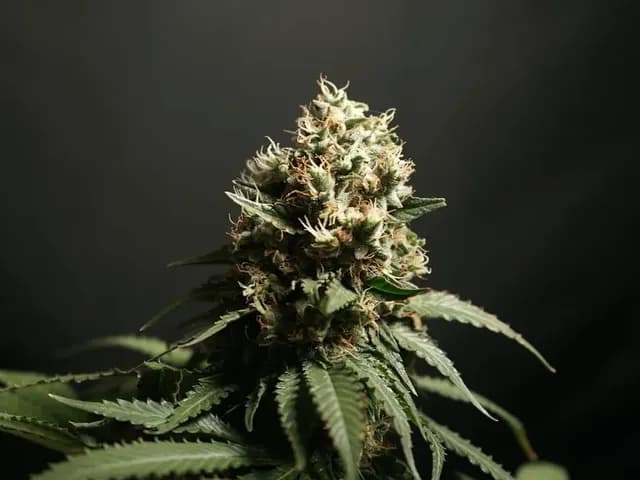
The effect is fast and cerebral. Reviewers on Leafly rank focused and energetic highest, then uplifted and creative. The warning is just as clear: "anxious" scores higher for Ghost Train Haze than for any other strain in this group in Leafly's data, and Leafly advises people prone to anxiety to steer clear. Low doses are where it works best. Growers get unusually dense, frosty buds for a sativa and a 65–80 day flowering window.
Origin & history
Rare Dankness Seeds, a Colorado breeder, created Ghost Train Haze around 2011 by crossing Ghost OG with Nevil's Wreck. It gained national attention when a sample entered by Greenman Cannabis in Denver posted the highest THC result, 25.49%, in High Times' first "Strongest Strains on Earth" feature, and it led the magazine's potency list again in 2014. Leafly lists Citradelic Sunset and Diesel Train among its descendants.
What people use it for
- Low mood
- Fatigue
- Focus for long tasks
These are reasons consumers give for choosing Ghost Train Haze, gathered from public strain reports. They are not medical claims or advice, and they haven’t been tested in clinical trials. If you’re managing a health condition, talk to a clinician.
Ghost Train Haze: frequently asked questions
Is Ghost Train Haze the strongest strain?
It topped High Times' potency lists with 25.49% THC in the first edition and about 27.46% in 2014, but typical batches test lower; Leafly's median is 19%.
What is Ghost Train Haze a cross of?
Ghost OG and Nevil's Wreck, bred by Rare Dankness Seeds in Colorado.
Can Ghost Train Haze cause anxiety?
Anxiety is the most common negative effect reported by Leafly users, and Leafly suggests anxiety-prone consumers avoid it. Small doses are the safer approach.
Sources
- Leafly — Ghost Train Haze strain page · checked Sep 2026
- AllBud — Ghost Train Haze strain page · checked Sep 2026
- High Times — The strongest strains on Earth · checked Sep 2026
- Prime Cuts Nursery — Ghost Train Haze · checked Sep 2026
If you like Ghost Train Haze
 hybrid
Trainwreck
Mexican and Thai sativas × Afghani indica (per Leafly and CannaConnection)
THC17–25%Terpinolene · Myrcene · Alpha-Pinene
- Euphoric
- Uplifted
- Creative
 sativa
Super Silver Haze
Skunk × Northern Lights × Haze
THC18–23%Myrcene · Beta-Caryophyllene · Limonene
- Energetic
- Uplifted
- Focused
 hybrid
Amnesia Haze
Southeast Asian and Jamaican sativa landraces × Afghani-Hawaiian, as described for Soma's line; Leafly lists Haze × Afghani — the exact pedigree is unpublished
THC19–24%Myrcene · Beta-Caryophyllene · Limonene
- Euphoric
- Talkative
- Happy
 hybrid
Super Lemon Haze
Lemon Skunk × Super Silver Haze (Green House Seeds)
THC19–26%Terpinolene · Beta-Caryophyllene · Limonene
- Energetic
- Focused
- Uplifted