































REPROCANN Home Grow: 9 Plants, 6 m² and Police Stops
Nine flowering plants, a surface cap and a carrying limit: what Resolution 1780/2025 allows a registered patient and what still sits under criminal law.
This guide is about Argentina — not the country you picked in the header.
Key takeaways
- Up to nine flowering plants per patient, in 6 m² indoors or 15 m² outdoors.
- A patient may carry 40 g of dried flower or up to six 30 ml bottles.
- Selling is outside the registry and can be prosecuted under Law 23.737.
- Third-party growers may supply themselves plus one other patient only.
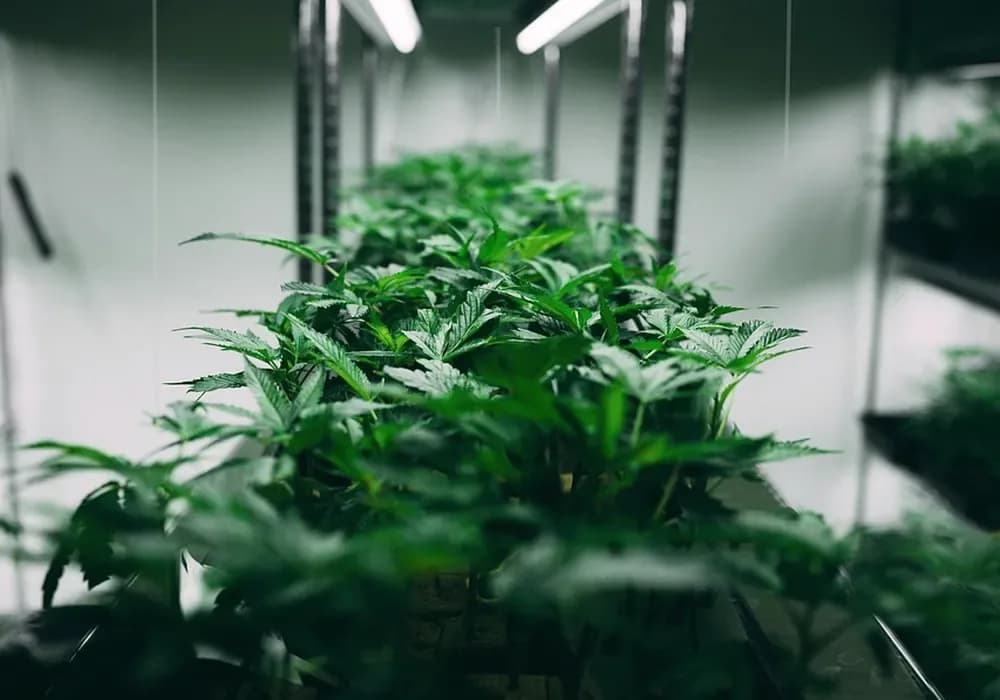
The nine-plant figure is the one everybody quotes and the one most often misread. It counts flowering plants per patient, not seedlings and cuttings, and it comes with a surface cap that people forget. A grower with nine plants in a 10 m² indoor room is already outside the certificate.
- Flowering plants
- 1 to 9 per patient
- Indoor space
- up to 6 m²
- Outdoor space
- up to 15 m²
- Carrying
- up to 40 g dried flower or 1 to 6 bottles of 30 ml
- Certificate
- 3 years (self-grow)
The numbers in Annex II of Resolution 1780/2025
The limits sit in Annex II of the resolution, published on 23 May 2025. They apply per patient, so two registered patients in one household hold two allowances, not one shared pot, each with their own certificate and their own linked doctor.
| Who | Plants | Space | Extra rule |
|---|---|---|---|
| Home grower (autocultivo) | 1 to 9 flowering | 6 m² indoor, 15 m² outdoor | Certificate valid 3 years |
| Third-party grower | Up to double the home-grow range | Same per-plant logic | Grows for themselves plus one other patient; the patient renounces home growing in writing |
| Non-profit (legal entity) | 1 to 9 per represented person | Per represented person | Up to 150 patients, 3 sites, permit valid 1 year |
What you can carry when you leave the house
The registry lets a patient transport up to 40 g of dried flower, or between one and six 30 ml bottles of derivatives, per patient. The ministry FAQ repeats the same figures. Anything beyond that is not covered by the certificate.
A patient who is stopped should show the digital certificate and an ID. Coverage in the trade press says officers are expected to accept the credential, but material can be seized for a while and checks can take time before it is returned. That is reporting by Revista THC, not an official protocol, so carry the paper trail.
Why the surface cap bites harder than the plant count
Do the arithmetic. Nine plants in 6 m² indoors leaves under 0.7 m² a plant, tight for anything that gets tall. Outdoors, 15 m² gives each of nine plants about 1.7 m². Growers who plan around the plant count and build a bigger room find out at a control that the certificate never covered the extra space.
The resolution's limits are ranges, not entitlements: 'between 1 and 9' is the wording. The certificate lists what the patient was approved for, so growing the top of the range when you were approved for fewer plants is outside your paper.
What the official sources leave open
The ministry FAQ does not say what happens to a certificate when the grower moves house, whether tenants need the landlord's consent, or how police should treat a household where only one member is registered. Its silence on rented housing and on police procedure is a gap, not a permission. Until the ministry writes it down, assume the stricter reading and keep the grow inside the approved address and area.
What happens if you exceed the limits or sell
The certificate is a defence to a drug charge, not a licence to trade. Outside it, Law 23.737 applies. Article 5 punishes growing to produce drugs with four to fifteen years of prison, and reduces the penalty to one month to two years when the quantity and circumstances show the plants were for personal use. Resolution 1780/2025 itself says it aims to prevent misuse, above all commercial use by third parties.
Separately, the Supreme Court's Arriola ruling of 25 August 2009 bars punishing an adult for possessing a small amount for private use that harms no one. That helps in a bad case. It does not turn a 12-plant room into a lawful one.
A checklist for the glovebox and the grow room
- Certificate: print it or keep the PDF offline, since coverage drops.
- ID: the name must match the certificate.
- Quantity: under 40 g flower or six 30 ml bottles, for your own treatment.
- Grow room: measure it; 6 m² indoors or 15 m² outdoors is the cap.
- Plant count: only flowering plants count towards nine, but keep the total sensible.
- Expiry: a lapsed certificate is worth nothing; see how the application works.
The rules changed in 2025 and again in 2026; the timeline is in REPROCANN: what changed and why approvals stall. Where seeds come from is a separate question, answered in who may sell cannabis seeds in Argentina. The country overview is on the Argentina page.
FAQ
How many plants can I grow with REPROCANN?
Between one and nine flowering plants per patient, in up to 6 m² indoors or 15 m² outdoors, under Annex II of Resolution 1780/2025.
How much cannabis can a REPROCANN patient carry?
Up to 40 g of dried flower, or between one and six 30 ml bottles of derivatives, according to Annex II of the resolution and the ministry FAQ.
Can two people in one home each grow nine plants?
Each registered patient holds their own allowance, but each needs a certificate and a doctor's link. The surface caps apply per patient too, according to Annex II.
Is selling REPROCANN cannabis legal?
No. The registry authorises growing for treatment, not commerce. Selling can be prosecuted as trafficking under Law 23.737 article 5 (four to fifteen years), and the resolution's preamble says it aims to curb commercial misuse.
What if police seize my plants?
Registered patients should present the certificate and ID. Revista THC, a cannabis trade outlet, reports that preventive seizure and verification delays still happen. A lawyer or the REPROCANN contact channels can help; this guide is not legal advice.
Sources
- Ministerio de Salud de la Nación — Resolución 1780/2025 (texto y Anexo II) · May 23, 2025
- Ministerio de Salud de la Nación — Preguntas frecuentes REPROCANN · checked Sep 2026
- Infoleg — Ley 23.737 (texto actualizado, arts. 5, 14) · checked Sep 2026
- Revista THC — REPROCANN en 2026: cuántas plantas podés tener y qué pasa si te controla la policía · 2026
- Wikipedia — Fallo Arriola · Aug 25, 2009
More on laws & regulation
Japan's CBN Ban and Other Banned Cannabinoids: HHC, THCH, HHCH
Verdex Editorial Team · Nov 23, 2026 · 4 min read
Buying Ganja Legally in Jamaica as a Resident: Four Routes
Verdex Editorial Team · Nov 22, 2026 · 3 min read
Colombia's Medical Cannabis Industry and Licenses, Explained
Verdex Editorial Team · Nov 22, 2026 · 3 min read
Cannabis and Driving in Luxembourg: The 1 ng/ml Rule
Verdex Editorial Team · Nov 21, 2026 · 4 min read

Medical Cannabis in Ireland: Who Qualifies for MCAP in 2026
Verdex Editorial Team · Nov 23, 2026 · 3 min read
Greening Out: What It Is and What to Do When You're Too High
Verdex Editorial Team · Nov 10, 2026 · 4 min read
Moon Rocks, “Cali Weed” and Street Names: What Lab Tests Find
Verdex Editorial Team · Oct 29, 2026 · 4 min read
What Is CBD and What Does It Actually Do? An Evidence Map
Verdex Editorial Team · Oct 18, 2026 · 4 min read
Comments
No comments yetQuestions, corrections or your own experience — start the conversation.